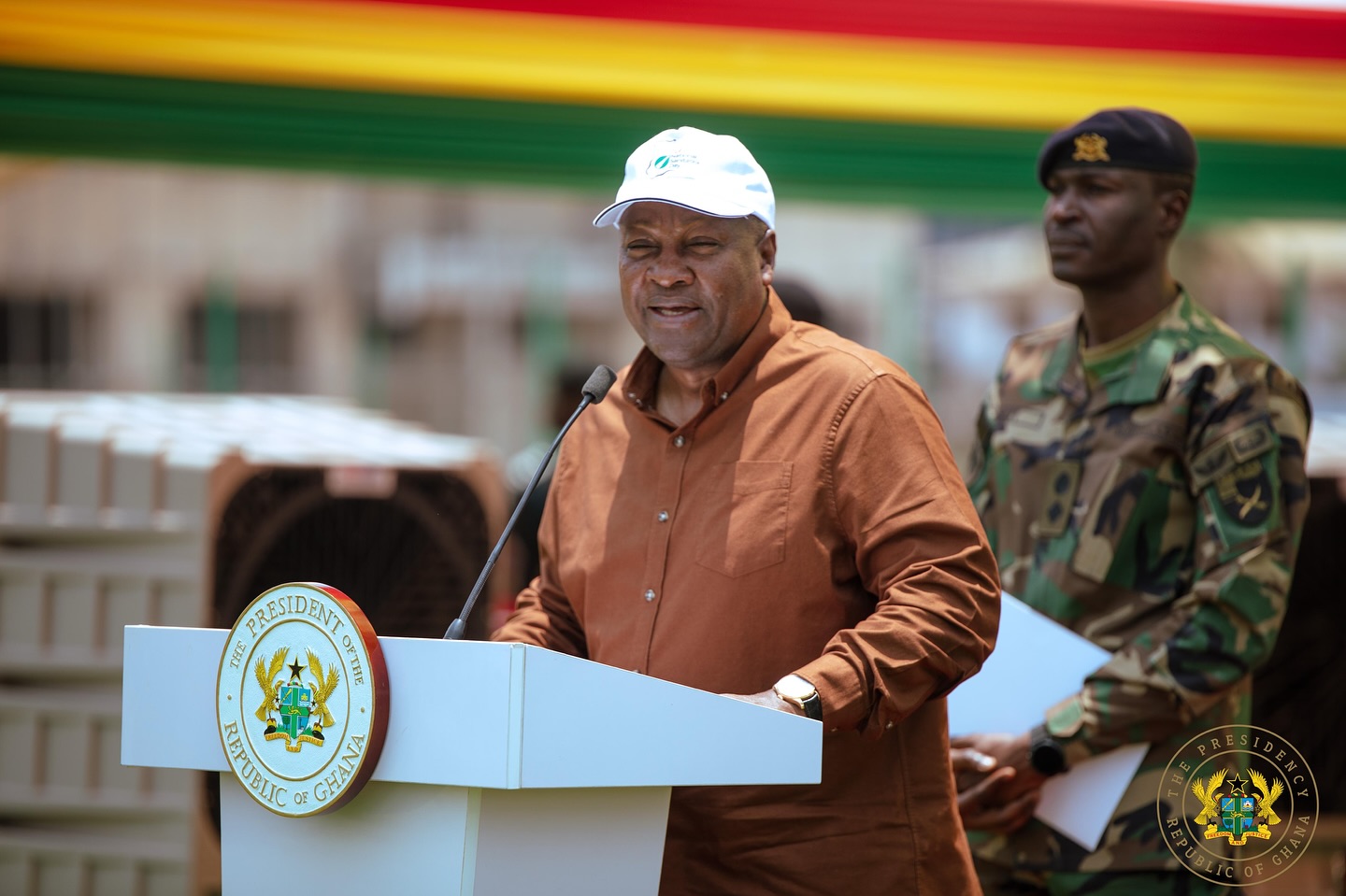
Ghana has begun receiving nationals from West Africa who were deported from the United States, including citizens of Nigeria, as part of a new arrangement with Washington. President John Dramani Mahama announced the move on Wednesday, stating that Accra had agreed to serve as a transit country for deported West Africans.
According to Reuters, Mahama confirmed that the first batch of 14 deportees—comprising Nigerians, a Gambian, and other West Africans—had already arrived in Accra. Ghanaian authorities, he said, are coordinating their safe return to their respective home countries.
“We were approached by the US to accept third-party nationals who were being removed from the US, and we agreed with them that West African nationals were acceptable because all our fellow West Africans don’t need a visa to come to our country,” Mahama explained.
He added that since West Africans are allowed entry into Ghana without a visa under regional protocols, it made logistical sense to receive and process them before they return to their home countries.
The development comes as Washington intensifies its deportation campaigns under former President Donald Trump’s hardline immigration policies, which sought to send migrants to “third countries” if direct deportation was not immediately feasible. Trump previously ordered the removal of migrants to Eswatini, South Sudan and Rwanda, despite concerns raised by human rights groups over the safety and legality of such transfers.
While Ghana has accepted the arrangement, Nigeria has firmly rejected similar proposals. In July, Nigeria’s Minister of Foreign Affairs, Yusuf Tuggar, stated that the Federal Government would not receive deportees from other countries, citing national security and economic concerns.
The U.S. initiative reportedly featured in a meeting that Donald Trump hosted with five West African leaders — from Gabon, Guinea-Bissau, Liberia, Mauritania and Senegal — at the White House on July 9, where persuading them to accept third-party deportees was a key agenda point.
Mahama defended Ghana’s decision as a humanitarian and diplomatic gesture, while stressing that the deportees would not remain in Ghana permanently but would be assisted in returning to their home countries.