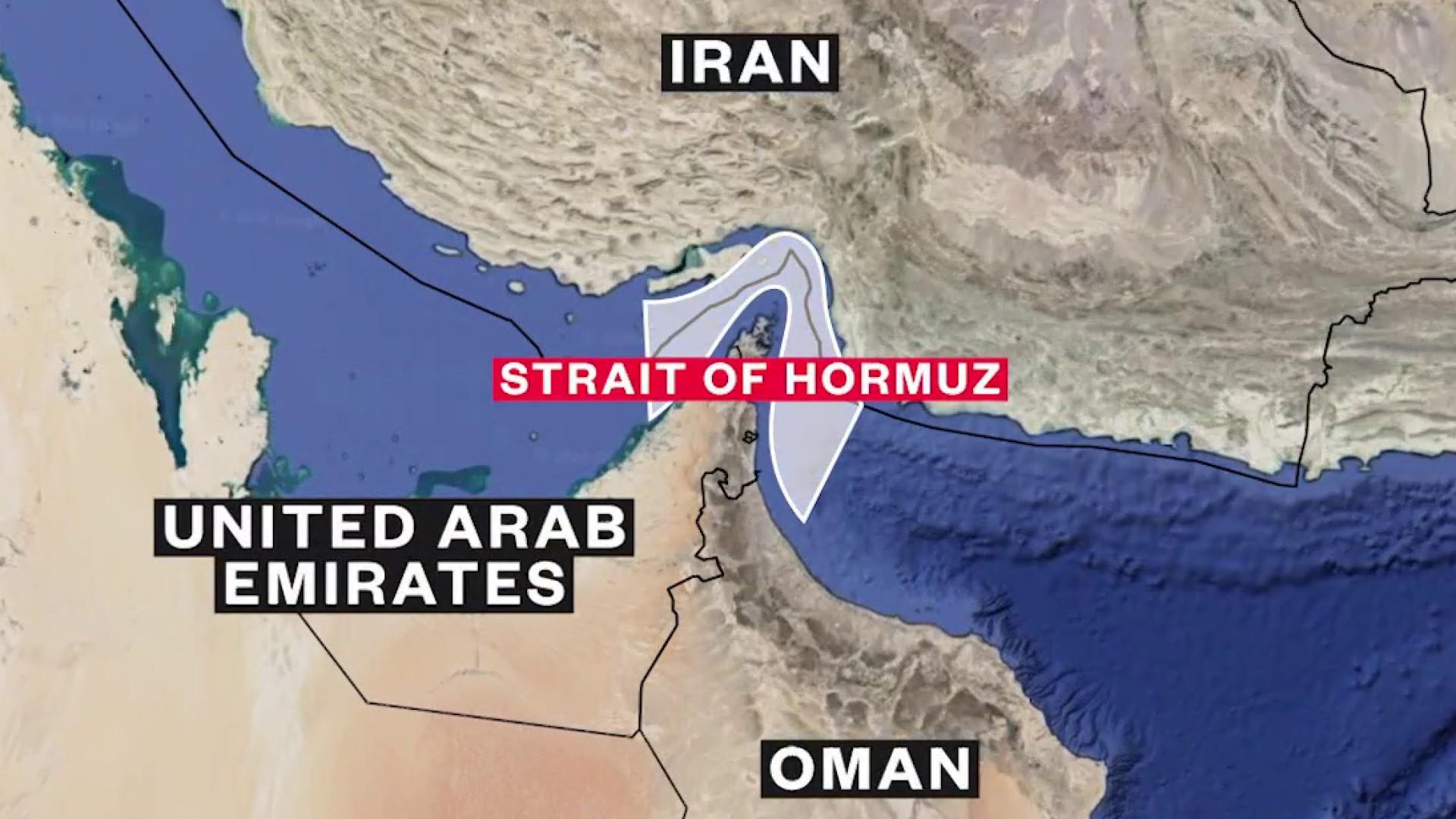
Global shipping through the Strait of Hormuz remained severely disrupted on Thursday, with vessel traffic operating at less than 10 percent of normal levels despite a ceasefire between the United States and Iran, as both sides prepare to begin high-stakes negotiations.
Maritime data showed that only seven ships transited the vital oil chokepoint within 24 hours, far below the typical daily average of around 140 vessels. The slowdown comes as hundreds of tankers remain stranded in the Gulf following weeks of conflict that began on February 28, disrupting roughly 20 percent of global oil supply in what analysts describe as an unprecedented shock to energy markets.
Although Tehran agreed to a two-week ceasefire, it has tightened its grip on maritime movements, instructing vessels to report to Iranian authorities and reroute through waters near Larak Island to avoid potential naval mines. Some ships have already begun taking the longer, less conventional route, adding to delays.
Risk analysts warn that even with improved conditions, clearing the backlog could take weeks. Shipping companies remain cautious, wary of renewed hostilities and unclear security guarantees in the region.
The diplomatic track is set to resume as both nations prepare for negotiations in Islamabad, based on a proposal put forward by Tehran. The ceasefire follows remarks by Donald Trump, who signaled a temporary suspension of military action to allow talks to proceed.
Meanwhile, oil markets reacted sharply to the uncertainty. Brent crude rose more than 3 percent to nearly $98 per barrel, while U.S. West Texas Intermediate climbed about 5 percent, reflecting concerns that disruptions in the strait could persist.
Tensions in the wider region continue to threaten the fragile truce. Israel launched fresh airstrikes in Lebanon, raising fears of escalation that could derail diplomatic efforts.
In a related development, President Trump is reportedly weighing a partial withdrawal of U.S. troops from Europe amid frustration over limited support from NATO allies in securing maritime routes. More than 80,000 American troops are currently stationed across the continent.
Israeli Prime Minister Benjamin Netanyahu also indicated that Israel is preparing for potential peace talks with Lebanon, with discussions expected to focus on disarming Hezbollah and stabilizing bilateral relations.
Despite the ceasefire, analysts say markets and shipping operators remain on edge, with little clarity on how negotiations will impact the flow of oil and the broader security landscape in one of the world’s most critical energy corridors.