The Joint Health Sector Unions (JOHESU) had been engaged in a
12-day-long strike, which began on
Thursday, May 25. The strike was initiated
due to the failure of the Federal Government to address the demands put forth
by JOHESU. One of their primary demands was the immediate approval and
implementation of the technical committee report on CONHESS (Consolidated
Health Salary Structure) adjustment by the government.
Additionally, JOHESU demanded the prompt payment of omitted
and shortfall amounts in the COVID-19 hazard/inducement allowances for health
workers in federal health institutions. They also sought the immediate and
unconditional implementation of the pharmacist consultant cadre. Furthermore,
the union called for the unconditional payment of all withheld salaries of
health workers at the Federal Medical Centre in Owerri, Jos University Teaching
Hospital, and the Lagos University Teaching Hospital. They also sought the
settlement of outstanding April and May 2018 salaries of their members at FMC
Azare.
Another demand put forth by JOHESU was the speedy
implementation of an increase in the retirement age from 60 to 65 years for
health professionals, and 70 years for consultants in the health professions.
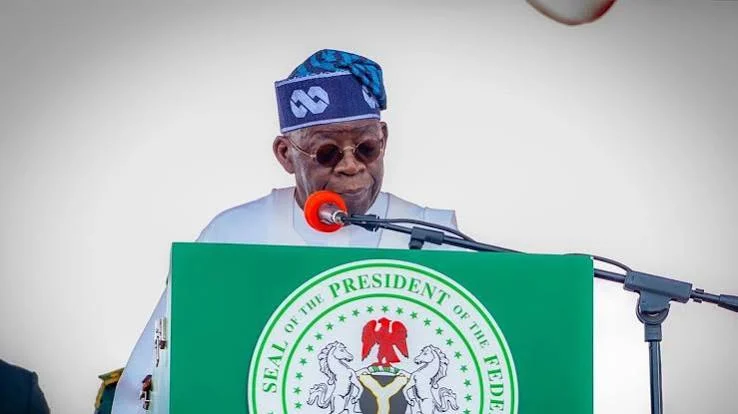
Following an engagement with President Bola Tinubu on Monday,
JOHESU decided to suspend the strike. In a phone interview with Tribune,
Comrade Obinna Ogbonna, the National Vice President of JOHESU, disclosed that
the suspension was a result of the progress made during the meeting with the
president.
During the meeting, President Tinubu expressed appreciation
for the challenges faced by the health workers and assured them of his
commitment to finding lasting solutions to their concerns. He urged the health
workers to trust in his resolve and stated that he would address the issues
within the health sector, particularly regarding their demands.
The president advised JOHESU to inform their members that it
was time to come together, rebuild confidence, and trust one another. After the
meeting, the health workers held a congress and decided to call off the strike,
providing the government with a 21-day timeline to demonstrate progress and
commitment in resolving the issues raised.
When asked about the course of action if the President failed
to meet their demands within the 21-day period, Ogbonna responded using a
proverb, saying, “when we get to the river, we will cross it.” He
emphasized that they would assess the situation at that time and decide on the
appropriate course of action.
For now, the health workers were prepared to work with what
they had at hand, hoping that the government would fulfill their promises. They
remained cautiously optimistic, while also being prepared to take further
action if necessary.