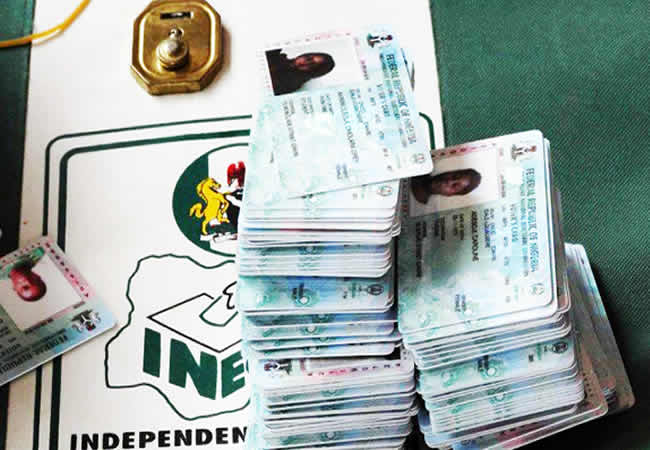
The Independent National Electoral Commission (INEC) is considering a landmark policy to withdraw and destroy over six million uncollected Permanent Voter Cards (PVCs) that have accumulated since 2015. This proposal is part of a broader strategy following the commission’s comprehensive review of the 2023 general elections, which yielded 208 recommendations for improving the electoral process.
The uncollected PVCs, many of which were issued nearly a decade ago, have long been a challenge for the commission. Despite various efforts to ensure collection, including deadline extensions and grassroots outreach campaigns, millions of cards remain unclaimed. INEC officials argue that retaining these cards unnecessarily clogs the voter management system.
Historical Challenges and Proposed Solutions
INEC noted that the Register of Voters was made available to the public on December 12, 2022, with PVC collection initially set to end on January 22, 2023. However, low collection rates prompted an extension to February 5, 2023, and the devolution of distribution to ward levels to make the process more accessible. Despite these measures and support from Civil Society Organizations (CSOs), collection rates remained poor, with over six million PVCs unclaimed by the election period.
INEC’s review suggests implementing a policy to withdraw PVCs uncollected after extended periods, beginning with those issued in 2015. The commission also proposed modernizing the voter accreditation process by phasing out physical PVCs in favor of digital alternatives, leveraging the Bimodal Voter Accreditation System (BVAS).
“The utility of the PVC is now limited to voter identification,” INEC explained. “With BVAS, voters can be identified using registration slips and biometrics, making the physical PVC redundant. However, this shift would require an amendment to Section 47(1) of the Electoral Act 2022, which mandates the presentation of a PVC for accreditation and voting.”
Political and Legal Divisions
The proposal has sparked mixed reactions among political parties, legal experts, and the public.
The Labour Party expressed support for the initiative, with National Legal Adviser Kehinde Edun emphasizing the need to declutter the voter register. “If people haven’t collected their PVCs over such a long period, it’s likely due to irregularities or changes in circumstances, such as death,” he stated.
Conversely, the Peoples Democratic Party (PDP) criticized the move, calling it a potential distraction and a waste of taxpayer resources. PDP Deputy National Youth Leader Timothy Osadolor argued that low collection rates reflect a loss of public trust in INEC’s ability to conduct credible elections.
The New Nigeria Peoples Party (NNPP) also advised caution, with National Publicity Secretary Ladipo Johnson warning against the financial waste of destroying PVCs, especially if some owners eventually come forward to claim them.
Legal opinions are similarly divided. Senior Advocate of Nigeria (SAN) Prof. Itse Sagay supported the destruction, suggesting the cards might represent fraudulent or duplicate registrations. Another SAN, Sam Erugo, echoed this sentiment, stating that uncollected PVCs are effectively useless and may pose a risk of electoral malpractice. However, Paul Obi (SAN) called for heightened awareness campaigns to encourage collection rather than immediate destruction.
Broader Implications
Beyond addressing uncollected PVCs, INEC is exploring broader electoral reforms, including the introduction of diaspora voting. This shift aims to enhance voter accessibility and streamline election logistics, potentially reducing costs associated with PVC production and distribution.
As the commission navigates these reforms, the debate over uncollected PVCs underscores the complexities of managing a large electorate and maintaining public confidence in the electoral system. INEC’s decision on the matter could set a precedent for future policies, shaping Nigeria’s democratic process for years to come.