Lagos, Nigeria – The Independent Petroleum Marketers Association of Nigeria (IPMAN) has voiced serious concerns over the ongoing fuel scarcity plaguing the nation, placing the blame squarely on the Nigerian National Petroleum Company Limited (NNPCL). The association, which represents over 3,000 members and controls a substantial portion of Nigeria’s filling stations, has accused the NNPCL of failing to supply adequate Premium Motor Spirit (PMS), commonly known as petrol, to its members.
Shina Amoo, the Chairman of IPMAN’s Ore Depot, highlighted the severity of the situation during an interview on Channels Television’s Morning Brief on Tuesday. Amoo stated that for the past three years, NNPCL, as the sole importer of petroleum products, has consistently failed to meet the supply needs of IPMAN members, leading to widespread fuel shortages across the country.
“There is no supply anywhere. The available supply is poorly distributed. We have been raising concerns about this for a long time. We previously had an arrangement where we enjoyed a 70/30 supply ratio based on our capacity,” Amoo explained. He emphasized that independent marketers, who operate in both rural and urban areas, are being overlooked in the distribution process.
In response to the fuel scarcity, NNPCL’s Chief Corporate Communications Officer, Olufemi Soneye, had assured the public that the company was working diligently to resolve the supply issues, with expectations that the queues at filling stations would clear by mid-week. However, Amoo criticized these assurances, pointing out the lengthy bureaucratic delays that IPMAN members face when trying to secure fuel supplies from NNPCL.
“Previously, after payment, it took a week to load products. Now, the process drags on for three to five months. This has made many of us turn to private depots, even though they charge premium prices,” Amoo lamented. He accused NNPCL of abandoning its previous distribution patterns and prioritizing other groups, such as the Depot and Petroleum Products Marketers Association of Nigeria (DAPPMAN) and the Major Oil Marketers Association of Nigeria (MEMAN), over IPMAN.
“NNPCL abandoned the distribution pattern and stopped being sincere. They no longer supply IPMAN but prefer to supply others. The volume they provide is insufficient for our needs,” Amoo asserted.
Amoo also touched on the broader impact of the removal of fuel subsidies, arguing that corruption within the downstream sector is driving the sharp rise in fuel prices. He suggested that tackling corruption could lead to a significant reduction in fuel prices, benefiting both marketers and consumers.
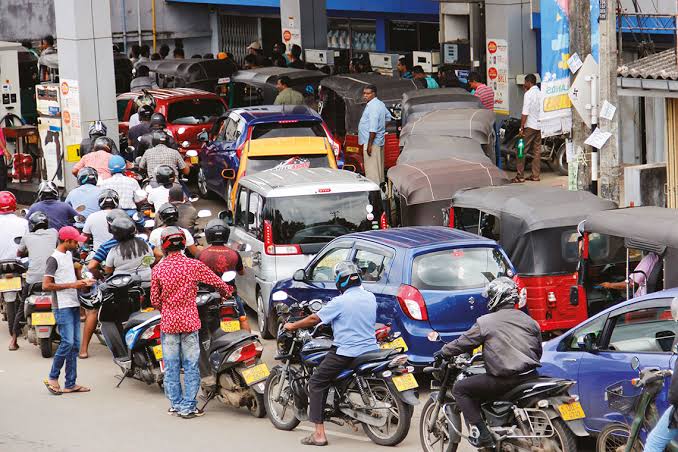
The situation has led to growing frustration among Nigerians, who are grappling with long queues and inflated fuel prices at filling stations. IPMAN’s accusations highlight the complex challenges facing the country’s fuel distribution network, with many calling for greater transparency and efficiency from NNPCL.