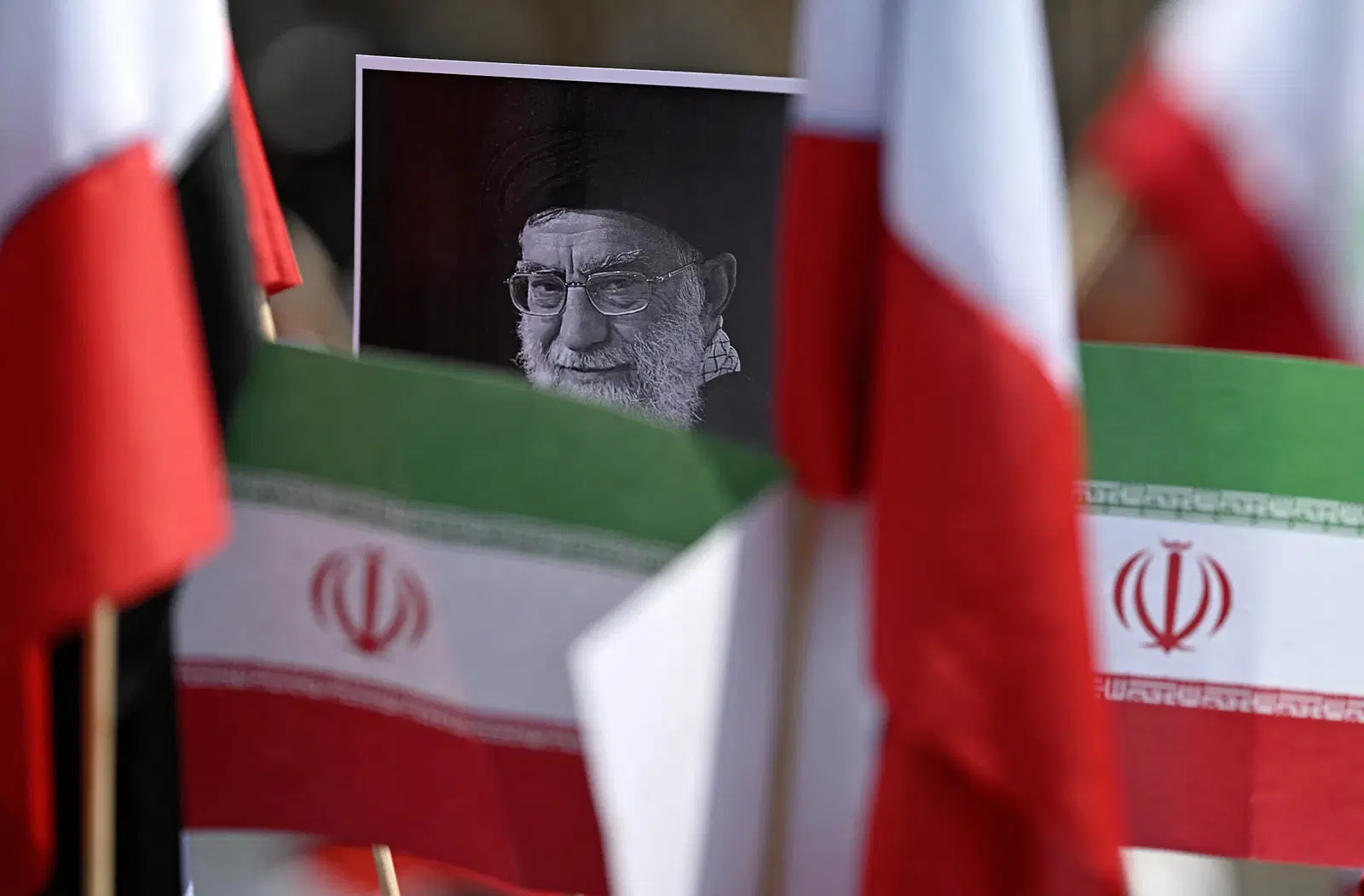
Iran’s powerful clerical body responsible for selecting the country’s supreme leader has concluded the process of choosing a successor to the late Ali Khamenei, although the name of the new leader has not yet been made public.
Members of the Assembly of Experts confirmed on Sunday that a vote had been conducted and a decision reached on who will assume the country’s highest political and religious position.
“The vote to appoint the leader has taken place and the leader has been chosen,” said Ahmad Alamolhoda, according to Iran’s Mehr news agency. He added that the secretariat of the assembly would formally announce the selected candidate at a later time.
Other members of the body also acknowledged that a successor had been determined. One member suggested that Mojtaba Khamenei, the son of the late supreme leader, could be the individual chosen for the role. Mojtaba has long been mentioned among potential successors since his father assumed leadership in 1989.
The supreme leader serves as Iran’s highest authority, holding ultimate power over the country’s political, military, and religious institutions.
Another member of the Assembly of Experts, Mohsen Heydari, said the council had agreed on the most suitable candidate after majority approval by the assembly.
“The most suitable candidate, approved by the majority of the Assembly of Experts, has been determined,” Heydari said, according to Iran’s ISNA news agency.
He also referenced remarks from Donald Trump, who had publicly suggested he should have a role in selecting Iran’s next leader. Trump had earlier dismissed Mojtaba Khamenei as a “lightweight” and rejected the possibility of his emergence as supreme leader.
Iranian officials have strongly rejected the notion that the United States could influence the selection process.
Another assembly member, Mohammad Mehdi Mirbagheri, confirmed in a video circulated by Fars news agency that the council had reached a firm decision reflecting the majority view of its members.
The leadership transition follows the death of Ayatollah Ali Khamenei, who was killed on February 28 during joint United States and Israeli strikes on Iran. The attack triggered a broader regional conflict that has spread across parts of the Middle East.
Meanwhile, tensions surrounding the leadership selection intensified on Sunday when the Israeli military’s Farsi-language account on X warned that members involved in choosing Iran’s next leader could become targets.
“We wish to inform you that the State of Israel will continue to closely monitor any successor and anyone seeking to appoint one,” the post said, adding that Israel would not hesitate to act against participants in the selection process.
Despite the warnings, Mirbagheri said members of the Assembly of Experts were continuing their work as planned, noting that the process was being handled carefully given the difficult circumstances.
“We are proceeding with precision,” he said, acknowledging that the situation remains challenging and obstacles persist.