Iran’s military has issued a stark warning that hotels and civilian facilities housing United States personnel across the Middle East may be considered legitimate targets amid the ongoing conflict involving Iran, United States, and Israel.
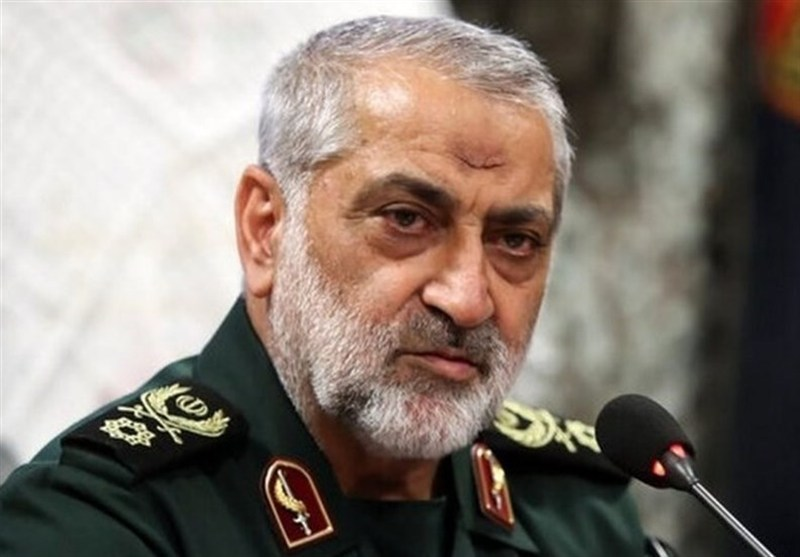
Speaking on state television Thursday, armed forces spokesman Abolfazl Shekarchi said any location accommodating U.S. forces would be treated as a military objective.
“When American forces occupy a hotel, from our perspective it becomes an American site,” Shekarchi stated, adding that Iran would respond to attacks by striking wherever U.S. personnel are located.
The warning follows escalating hostilities that began on February 28, when coordinated strikes by Israel and the United States targeted Iran, reportedly killing Supreme Leader Ayatollah Ali Khamenei and triggering a wider regional conflict.
Since then, Iran has launched retaliatory drone and missile attacks against Israeli and U.S. interests, intensifying tensions across the Middle East.
Earlier on Thursday, Iran’s Foreign Minister Abbas Araghchi accused U.S. troops of embedding themselves in civilian areas within Gulf Cooperation Council countries, alleging they were using civilians as “human shields.”
“From the outset of this war, U.S. soldiers fled military bases in GCC countries to hide in hotels and offices,” Araghchi said in a post on X, urging hospitality providers to refuse accommodation to American forces.
Iranian state-affiliated Fars News Agency, citing unnamed sources, reported that Tehran had issued “firm warnings” to hotels in several countries, particularly the United Arab Emirates and Bahrain.
The report also claimed Iranian intelligence had identified similar U.S. troop movements into civilian locations in Syria, Lebanon, and Djibouti.
Iran has repeatedly accused neighboring states of enabling U.S. military operations from their territories, allegations that Gulf nations have consistently denied. Regional governments maintain that they have not permitted their land or airspace to be used for attacks against Iran.
The developments signal a further widening of the conflict, raising concerns about the safety of civilian infrastructure and the potential for broader regional escalation.