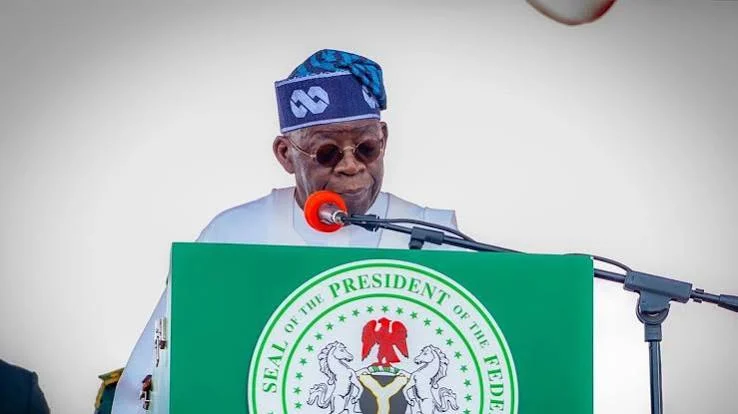
President Bola Ahmed Tinubu has approved a 15 per cent ad-valorem import duty on petrol and diesel imports as part of measures to safeguard Nigeria’s emerging local refining industry and strengthen market stability.
The directive, issued in a letter dated October 21, 2025, and signed by his Private Secretary, Damilotun Aderemi, was conveyed to the Federal Inland Revenue Service (FIRS) and the Nigerian Midstream and Downstream Petroleum Regulatory Authority (NMDPRA).
The new tariff, which takes immediate effect, follows a proposal by FIRS Executive Chairman, Zacch Adedeji, aimed at aligning import costs with domestic market realities under what the government described as a “market-responsive import tariff framework.”
Adedeji explained that the measure supports ongoing reforms under the Renewed Hope Agenda to promote local refining, ensure price stability, and strengthen the naira-based oil economy.
“The core objective of this initiative is to operationalise crude transactions in local currency, strengthen refining capacity, and ensure a stable, affordable fuel supply across the country,” Adedeji stated in his memo to the President.
He warned that the existing pricing system, which allows duty-free fuel imports, has destabilised the downstream market by undercutting local producers. According to him, the 15 per cent duty would create a fair competitive environment while discouraging importers from manipulating prices.
Government projections indicate that the new tariff could raise the landing cost of petrol by about ₦99.72 per litre, pushing Lagos pump prices to an estimated ₦964.72 per litre — still lower than regional averages in Senegal ($1.76/litre), Côte d’Ivoire ($1.52/litre), and Ghana ($1.37/litre).
The policy comes as Nigeria accelerates efforts to achieve fuel self-sufficiency, with the 650,000 barrels-per-day Dangote Refinery now producing diesel and aviation fuel, and modular refineries in Edo, Rivers, and Imo States beginning small-scale petrol refining.
Despite these advances, petrol imports continue to account for about 67 per cent of national demand — a gap the Tinubu administration says must narrow to secure long-term energy independence and economic stability.