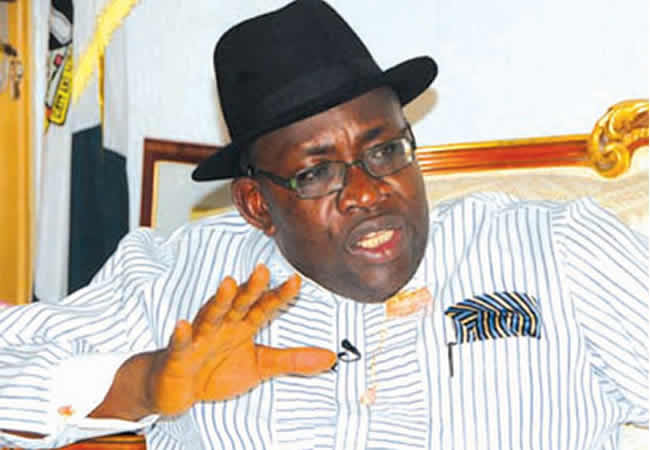
Senator Seriake Dickson, Chairman of the Senate Committee on Ecology and Climate Change, has affirmed that the National Assembly will pass President Bola Tinubu’s tax reform bills, despite widespread opposition. He likened the bills to the controversial Petroleum Industry Act (PIA), declaring that their passage will not trigger any crisis.
In an interview with reporters in Abuja on Monday, Dickson stated, “The PIA was passed despite significant pushback. We wanted 10% host community benefits, but it was reduced to 3%. Heaven did not fall. These tax reform bills will also pass, and heavens will not fall.”
Details of the Tax Reform Bills
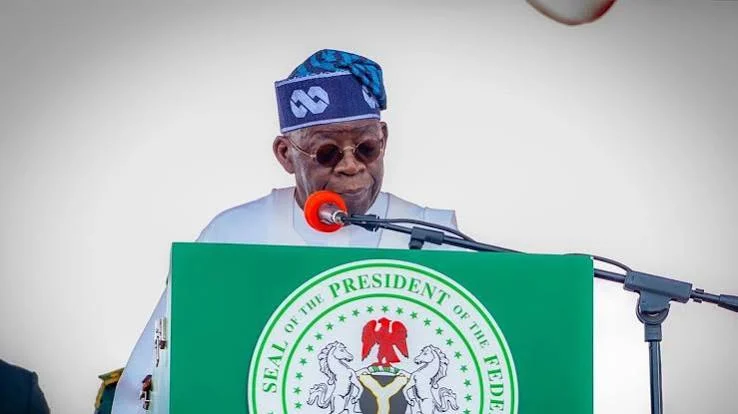
On October 3, 2024, President Tinubu submitted four tax reform bills to the National Assembly, citing their necessity for bolstering Nigeria’s fiscal institutions and aligning with his administration’s developmental objectives. The bills, read during separate plenaries by Senate President Godswill Akpabio and House Speaker Tajuddeen Abbas, aim to modernize Nigeria’s tax framework.
Despite their potential economic significance, the bills have faced backlash from various stakeholders, including governors, traditional rulers, civil society groups, and federal lawmakers.
Progress in the Senate
The Senate recently passed the bills for a second reading, while the House of Representatives has yet to deliberate on them. Dickson dismissed concerns about potential chaos during the planned public hearings, urging detractors to present factual evidence during the consultations.
“The tax bills are like any other proposed legislation; they must go through the normal legislative process. Public hearings will allow everyone to present their positions. Opponents should prepare their facts rather than relying on rhetoric,” Dickson emphasized.
Regional and National Interests
As a former Governor of Bayelsa State, Dickson highlighted the importance of addressing tax-related inequalities between states. He cited examples of tax revenues from Bayelsa being remitted to Lagos, arguing that the reform offers an opportunity to correct such anomalies.
“Taxes generated from the consumption of goods and services in any state should be paid to that state,” he said. “Some states fear they will earn less under the new sharing formula. They should bring statistics and argue their case during the hearings. My stance is guided by what is right and in the national interest.”
The Way Forward
Dickson called for constructive engagement with the legislative process, urging Nigerians to approach the tax reforms with objectivity. He underscored the broader need for systemic changes to ensure equity and efficiency in Nigeria’s tax system.
“The tax reform bills are not about sentiments but about correcting structural flaws in our fiscal policies. They are crucial for our nation’s economic stability and growth,” Dickson concluded.
As debates continue, the tax reform bills are poised to shape Nigeria’s economic framework significantly, underscoring the importance of active public participation in the legislative process.