ABUJA — A one-day national dialogue on state policing, organized by the House of Representatives, saw Nigeria’s political landscape sharply divided on the issue, with leaders and stakeholders offering contrasting views.
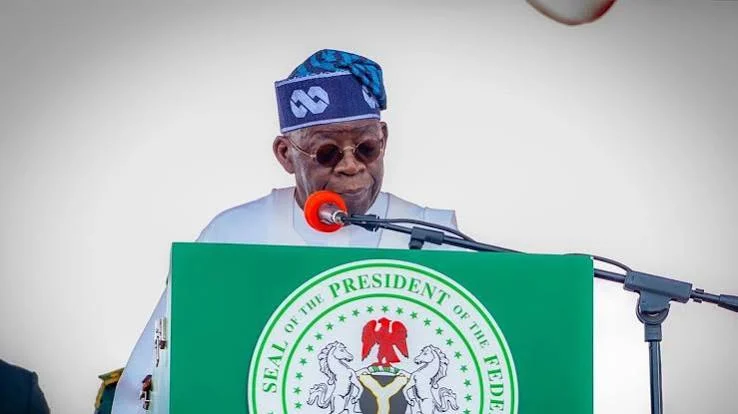
President Bola Tinubu, who inaugurated the dialogue, emphasized the need for a thorough consideration of the implications of state police. “We must reflect deeply on the potential advantages and pitfalls of introducing state police,” he said.
However, Inspector General of Police (IGP) Kayode Egbetokun took a firm stance against the idea, expressing concerns about the country’s readiness for such a move. Egbetokun cautioned that state police could be prone to misuse by governors, raising questions about its potential for abuse.
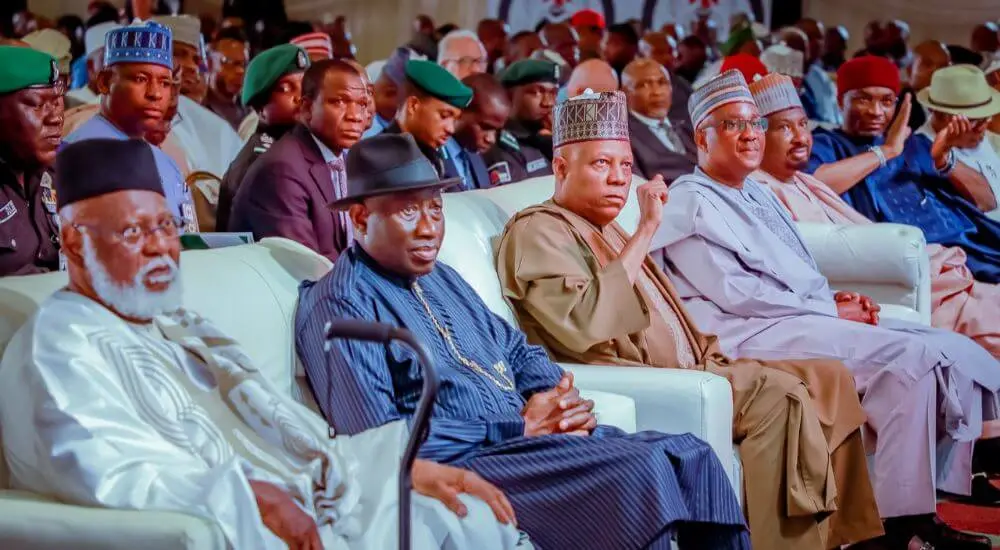
A strong contingent of leaders threw their weight behind the establishment of state police, arguing that it could be a solution to the country’s security challenges. Notable supporters included former President Goodluck Jonathan, Senate President Godswill Akpabio, Minister of Police Affairs Senator Ibrahim Gaidam, Emeritus Catholic Archbishop of Abuja John Cardinal Onaiyekan, and the Ooni of Ife, Oba Adeyeye Enitan Ogunwusi, among others.
President Tinubu underscored his administration’s commitment to police reform, emphasizing that the move towards state policing was not just a policy proposal but could also be a significant milestone in the evolution of Nigeria’s law enforcement framework.
On the other hand, Emeritus Catholic Archbishop of Abuja, John Cardinal Onaiyekan, proposed that the government should first address the pressing challenges faced by the central police, such as welfare, funding, and equipment, before venturing into state policing.
Senate President Godswill Akpabio added a caveat to his support, stating that for state police to succeed, it must remain free from religious extremism and avoid being influenced by ethnic and tribal sentiments.
The national dialogue highlighted the complexities surrounding the issue of state policing, with advocates emphasizing its potential benefits and opponents raising valid concerns about its implementation and oversight. As the debate continues, the future of state policing in Nigeria remains a topic of intense discussion and deliberation among stakeholders.