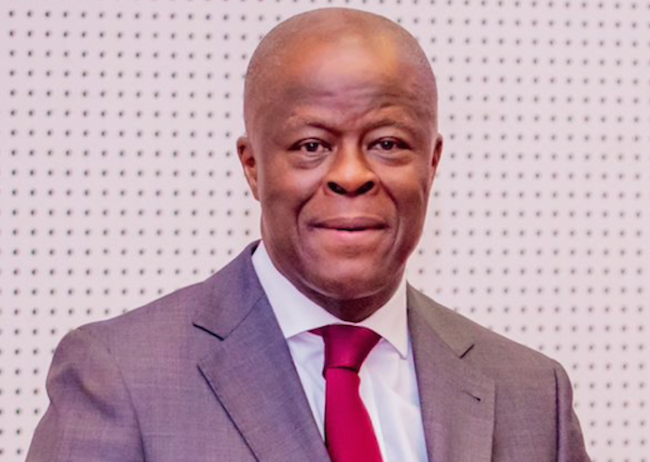
Abuja, Nigeria – Nigeria’s Minister of Finance and Coordinating Minister of the Economy, Wale Edun, has disclosed that the country spends approximately $600 million each month on fuel importation. This significant expenditure is partly due to neighboring countries, extending as far as Central Africa, benefiting from Nigeria’s fuel imports.
Edun made these remarks during an interview on AIT’s Moneyline program, which was posted on YouTube on Wednesday. He explained that the high import bill underscores the rationale behind President Bola Tinubu’s decision to remove the fuel subsidy, noting that the exact domestic fuel consumption is not precisely known.
“The fuel subsidy was removed on May 29, 2023, by Mr. President. At that time, the poorest 40 percent of the population were only receiving four percent of the subsidy’s value, meaning they were hardly benefiting at all. We were essentially subsidizing other countries,” Edun stated. “We know we spend $600 million to import fuel every month, but neighboring countries are benefiting. We are effectively buying fuel for countries to the east, almost as far as Central Africa, as well as to the north and west.”
Edun emphasized the need for Nigeria to address this issue to foster economic growth. He highlighted the importance of ensuring the welfare of the Nigerian people, particularly the vulnerable, with a focus on food availability and affordability.
In the interview, Edun also clarified that the N570 billion fund release to state governments was implemented in December of the previous year. This reimbursement, part of the COVID financing protocol, was intended to support state governments, with President Tinubu urging states to prioritize food production.
Addressing concerns about the recent decision to raise the maximum borrowing percentage in the Ways and Means from five to 10 percent, Edun assured that this does not indicate a reliance on financing from the Central Bank of Nigeria. “We have not gone to the central bank to ask for money to pay debts or salaries. Instead, we have used market instruments to manage our debts,” he said. The increase to 10 percent serves as a fail-safe to provide extra flexibility for unforeseen payment gaps.
Edun reiterated the government’s commitment to reducing inflation, stabilizing exchange rates, and lowering interest rates to create a favorable environment for investment and job creation. He assured that any importation of food would be conducted only after exhausting local supplies, ensuring that local farmers are not undermined.
“There is a concerted effort to ensure that homegrown food is available. While we are distributing from reserves, there is also a window for importation to drive down prices and make food available immediately,” Edun explained. “Importation will only be permitted after verifying that all locally available supplies have been utilized.”
These interventions aim to provide immediate relief while supporting long-term economic stability and growth in Nigeria.