Nigeria’s non-oil revenues have surged to a historic high of N20.59 trillion between January and August 2025, marking a 40.5% increase compared to N14.6 trillion recorded in the same period last year, the Presidency announced on Wednesday.
The figures, released in a statement by the Special Adviser to the President on Information and Strategy, Bayo Onanuga, highlight what the government describes as the country’s strongest fiscal performance in recent history.
According to the statement, titled “Nigeria’s Non-oil Revenues Power Strongest Fiscal Performance in Recent History”, the sharp rise was largely driven by structural reforms, stricter tax compliance, digitised revenue collection systems, and automation in Customs operations.
“For the first time in decades, oil is no longer the dominant driver of government revenue. Nigeria’s fiscal foundations are being reshaped,” Onanuga said.
Breakdown of Performance
Of the total revenue generated, N15.69 trillion came from non-oil sources, meaning three out of every four naira now comes from outside the petroleum sector. The Nigeria Customs Service alone collected N3.68 trillion in the first half of the year — surpassing its target by N390 billion, which the Presidency attributed to systemic reforms rather than temporary windfalls.
While inflation and exchange rate adjustments contributed to the revenue growth, the Presidency stressed that reforms remain the main driver of fiscal improvement.
Impact on Federal and State Finances
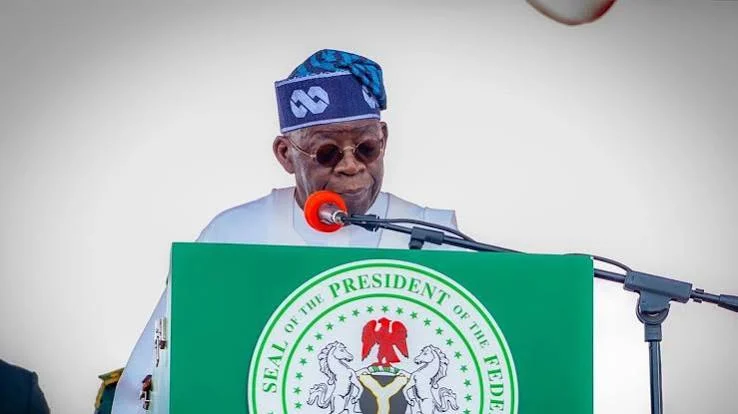
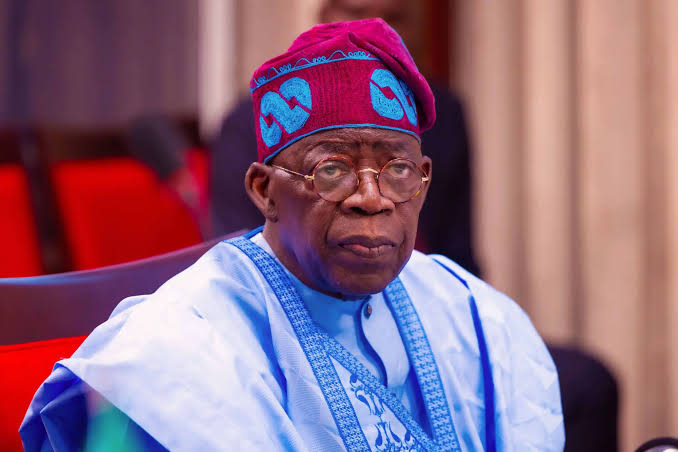
President Bola Tinubu, while addressing members of the Buhari Organisation at the State House on Sunday, hailed the figures as evidence of improved public finance management. He noted that the Federal Government had stopped borrowing from local banks, easing pressure on domestic credit markets.
At the sub-national level, the benefits are already being felt. In July, allocations to the 36 states and 774 local governments exceeded N2 trillion for the first time, enabling states to expand spending on infrastructure, healthcare, agriculture, and social services in line with Tinubu’s inclusive growth agenda.
“Resources are being directed closer to the people,” the statement added, though it acknowledged that more progress is needed to meet the President’s ambitious goals for investments in schools, hospitals, and critical infrastructure.
Challenges in Oil Sector
Despite the positive outlook for non-oil revenue, the Presidency admitted that oil revenues remain under pressure due to falling crude prices and underwhelming production levels. However, it emphasized that the trend in non-oil revenue has placed Nigeria on a more sustainable fiscal trajectory.
The Budget Office is expected to release year-end validations of the fiscal performance later this year.
“Revenues are rising, the base is broadening, and reforms are working,” the Presidency concluded. “The priority now is to translate these numbers into real relief for citizens — putting food on the table, creating jobs for young people, and investing in schools, roads, and hospitals.”