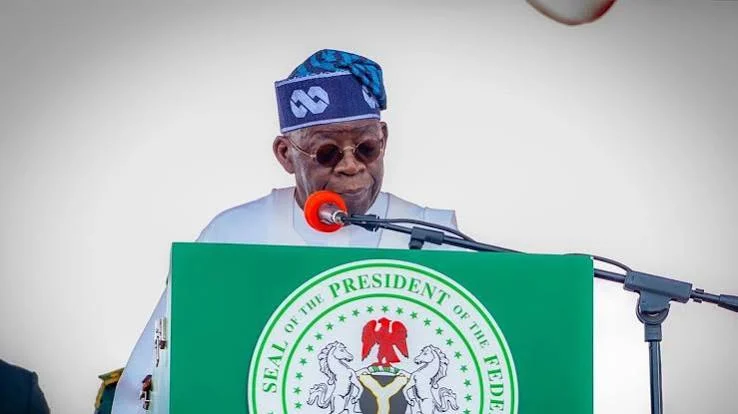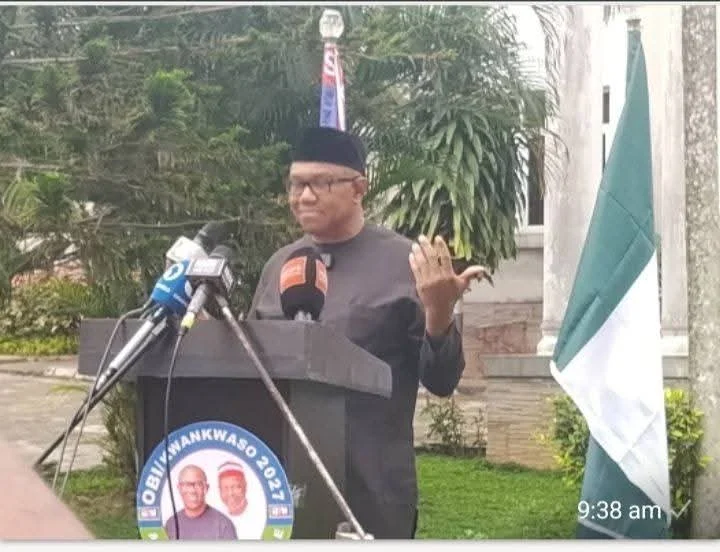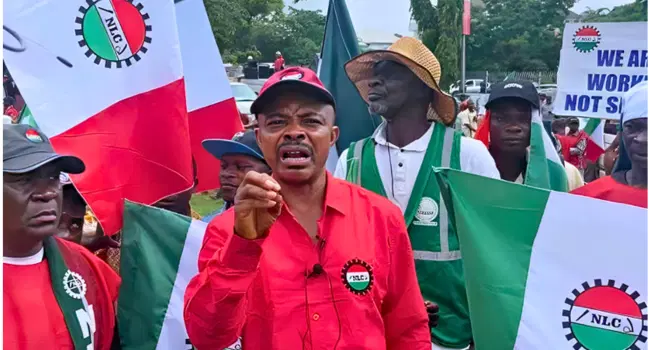
The Nigeria Labour Congress (NLC) has reiterated its call for the withdrawal of the Tax Reform Bills recently submitted by President Bola Tinubu to the National Assembly. The labour body emphasized the need for broader national stakeholder participation in shaping the proposed tax reforms.
This position was conveyed in the NLC’s New Year message delivered by its President, Joe Ajaero. In the statement titled “In 2025, Hope Lies in Our Collective Resolve,” the NLC outlined its vision for a more inclusive and people-focused governance structure while pledging to intensify efforts to secure better welfare for Nigerian workers.
Criticism of Tax Reform Bills
The Tax Reform Bills have sparked widespread criticism, particularly in northern regions of the country, where stakeholders view them as counterproductive to economic growth. The NLC called for a halt to the legislative process to allow for the inclusion of key stakeholders in drafting a more acceptable and development-driven tax law.
“Policies must reflect transparency, honesty, and inclusivity, devoid of nepotism and strong-arm tactics,” Ajaero stated. “We urge the federal government to withdraw its present tax bills before the National Assembly and include all key national stakeholders in co-creating a new tax law to propel national development.”
Workers’ Welfare and Economic Realities
Addressing the challenges of economic hardship, Ajaero highlighted the NLC’s commitment to advocating for an upward review of wages to help workers cope with the rising cost of living. He underscored the importance of adhering to the 2024 National Minimum Wage Act, emphasizing that a productive workforce is integral to national progress.
“Our nation will become more productive when workers’ incomes meet their basic needs, motivating them to contribute more meaningfully to their work,” he said. “We look forward to engaging the government on wage reviews and other welfare initiatives in 2025.”
Call for Governance Reforms
The NLC stressed that governance should translate into tangible benefits for citizens, including access to quality healthcare, education, housing, transportation, and security. Ajaero called for a governance model rooted in social dialogue and inclusiveness, which he believes will foster stability and public trust in government policies.
“The welfare of the citizens remains the primary justification for the existence of any government,” Ajaero said. “We must build a system that allows critical stakeholders to participate actively in nation-building.”
Focus on Industrial Peace
The labour union also cautioned against the increasing use of violence in addressing disputes with workers and unions. Ajaero urged the government to prioritize social dialogue, respect agreements, and avoid actions that could lead to industrial disharmony.
“Industrial peace is vital for national development,” he stated. “The government must engage trade unions as partners in progress while respecting workers’ rights and upholding democratic principles.”
Road Ahead
As part of its agenda for 2025, the NLC announced plans for a national dialogue in January in Ibadan to discuss the future of Nigeria’s tax laws and chart a path toward greater inclusivity and national development.
Ajaero concluded the statement with a rallying call for collective resolve and unity. “Let us unite in our resolve to ensure a Nigeria where workers’ welfare, decent work environments, and the security of life and property are prioritized. Together, we can transform our nation into one of progress, inclusion, and shared prosperity.”
The NLC’s message underscores its determination to address pressing economic and social issues while ensuring that workers’ rights and welfare remain at the forefront of the national agenda.