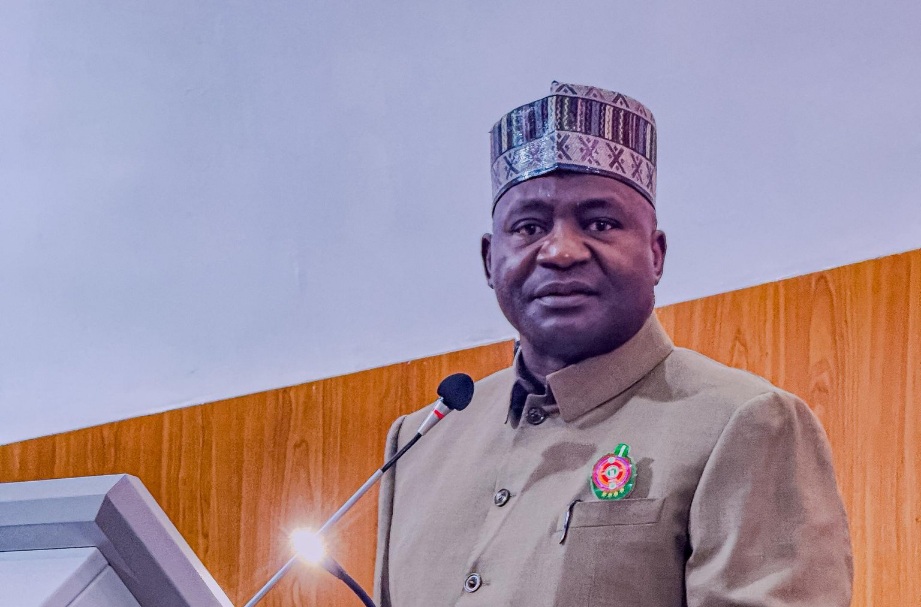
Nigeria’s Minister of Defence, Christopher Musa, has defended the recent military airstrike on Jilli in Borno State, insisting that those killed were not innocent civilians but individuals aiding insurgent groups.
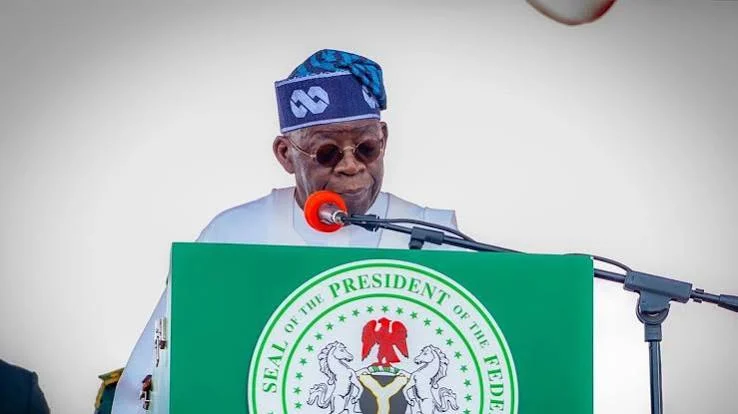
Speaking during an interview after a security meeting chaired by Bola Tinubu, Musa said the operation was based on credible intelligence and deliberately targeted a location known for terrorist logistics.
“There was no innocent person there. Anybody in that location knew what they were doing,” he said, describing the area as a hub where supplies were delivered to insurgents.
The airstrike has sparked controversy amid reports of civilian casualties, with rights groups and local communities raising concerns. However, Musa rejected claims of operational error, maintaining that the military acted on verified intelligence and struck a legitimate target.
According to the minister, the Jilli location had long been identified as a restricted zone used by insurgents and their collaborators. He described it as a marketplace where food, fuel, and other materials were traded to sustain terrorist activities.
“That place is not a normal civilian market,” he said. “It is where terrorists meet those who support them.”
Musa acknowledged the complexity of distinguishing civilians from combatants in asymmetric warfare but stressed that individuals who knowingly support insurgents cannot be considered innocent under international law.
“He who supports a terrorist is one of them,” he said, while noting that those coerced into cooperation should be treated differently from those who engage willingly for profit.
Reports suggested that dozens may have been killed in the strike, though Musa questioned the credibility of such figures, citing a lack of verifiable evidence. He also referenced input from local authorities familiar with the region, arguing that Jilli was not an active civilian settlement.
The Defence Minister further warned that continued civilian collaboration with insurgents remains a major factor prolonging the conflict in Nigeria’s North-East, adding that cutting off such support networks would significantly weaken militant operations.
“If Nigerians collectively refuse to support these groups, this war can end much faster,” he said.