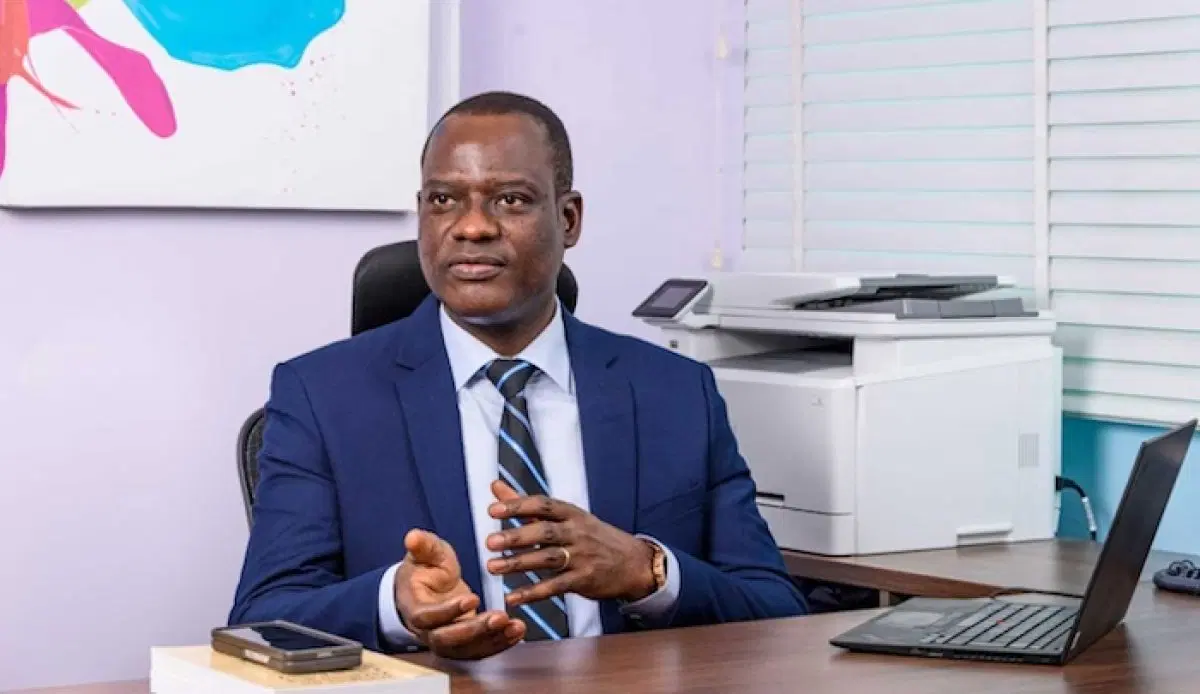
The Chairman of the Presidential Committee on Fiscal Policy and Tax Reforms, Mr. Taiwo Oyedele, has firmly dismissed widespread claims that Nigerians’ bank accounts will be frozen or automatically debited beginning in January 2026, describing such reports as false, misleading and deliberately alarmist.
Oyedele made the clarification on Tuesday via a post on his official X (formerly Twitter) handle, stressing that none of the recently introduced tax and financial reform laws contains provisions authorising the freezing or direct debiting of citizens’ bank accounts.
“Don’t let anyone manipulate you. Your bank account is safe,” Oyedele wrote.
“Misinformation makes you panic and fear a reform that is designed to help you. When they tell you that your account will be frozen or automatically debited from January 2026, ask them for the evidence in the new law.”
His comments followed growing public anxiety fueled by social media posts alleging that the Federal Government, through new tax reforms, plans to directly access Nigerians’ bank deposits.
Earlier reports had also quoted Oyedele as rejecting claims that government agencies intend to deduct money directly from individuals’ accounts, warning that such narratives are “false, dangerous and capable of destabilising the economy.”
Speaking at a media workshop on the newly consolidated tax law on December 13, Oyedele said the rumours were rooted in ignorance and deliberate misinformation aimed at undermining public confidence in the reform process.
“Let me say this clearly: nobody — not the Federal Inland Revenue Service (FIRS), not the Central Bank of Nigeria (CBN), not any government agency — has the power to debit your bank account,” he said.
“Whether you have ₦50,000 or ₦50 million, nobody is taking any money from your account. It is simply not true.”
Oyedele explained that the ongoing tax reforms are intended to simplify Nigeria’s tax system, improve compliance, reduce the burden on citizens and businesses, and enhance transparency in revenue generation. He urged Nigerians to seek accurate information and rely on the actual provisions of the law rather than unverified online claims.
The clarification comes amid heightened public scrutiny of fiscal reforms proposed by the Federal Government as part of broader efforts to strengthen economic stability and improve governance.