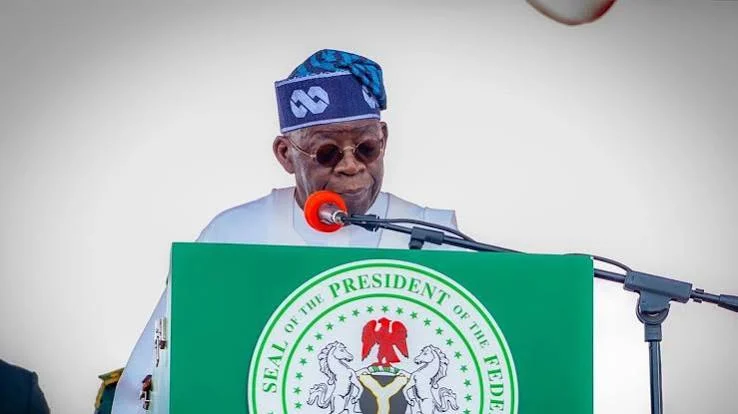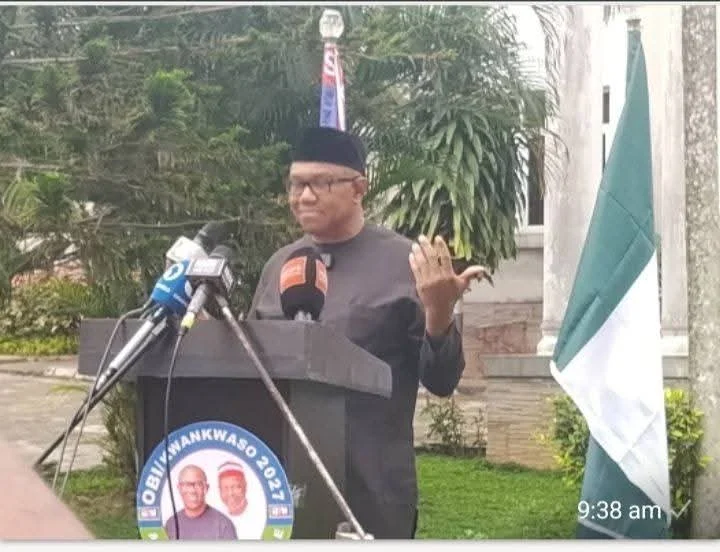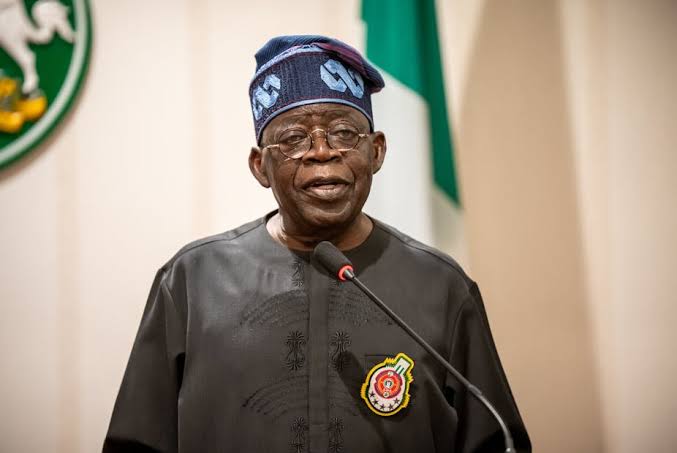
Nigeria’s Presidency has pushed back against criticism from the African Democratic Congress (ADC), insisting that comments made by President Bola Ahmed Tinubu about a recent political gathering were not directed at the opposition party.
In a statement issued on Saturday, presidential spokesman Sunday Dare dismissed allegations that Tinubu’s remarks about the ADC’s national convention undermined democratic principles, describing the backlash as a deliberate misrepresentation for political gain.
The controversy stems from comments linked to the ADC’s convention held at the Rainbow Event Centre in Abuja. A forum of current and former lawmakers within the party, led by Nnenna Ukeje, had accused the president of making statements capable of shrinking Nigeria’s political space and contradicting his history as a pro-democracy advocate.
Responding via a statement shared on X, Dare argued that the ADC had “twisted” the president’s remarks, insisting that Tinubu did not mention the party either directly or indirectly. He characterized the opposition group as politically motivated and struggling with internal cohesion.
According to Dare, the president’s reference to a political gathering as “noise” and a “street convention” was general commentary rather than a targeted critique. He added that interpreting the statement as an attack on the ADC reflected misplaced assumptions by the party.
The presidential aide also rejected claims that Nigeria’s democratic institutions are under threat, maintaining that governance structures remain stable and fully functional. He further defended the independence of the judiciary, warning against what he described as attempts to erode public trust through unsubstantiated allegations.
Dare also criticized the opposition coalition, describing it as a hastily formed platform seeking relevance ahead of upcoming elections. He argued that while the ADC acknowledged Tinubu’s longstanding role in strengthening democratic governance, its subsequent claims that he now undermines those values were contradictory and lacked evidence.
The exchange highlights growing political tensions as parties position themselves ahead of the next electoral cycle, with debates intensifying over governance, democratic space, and political accountability in Nigeria.