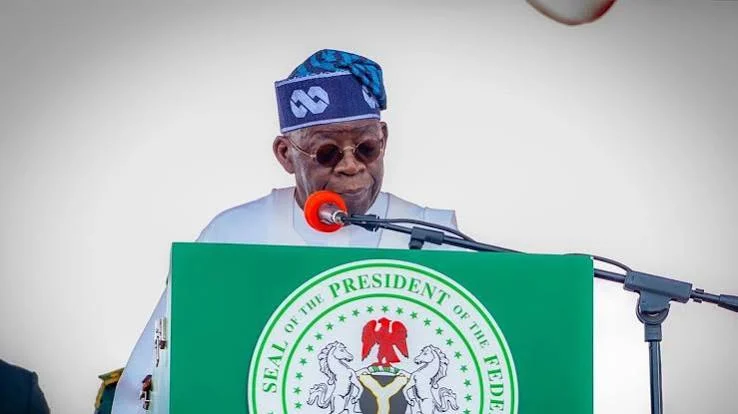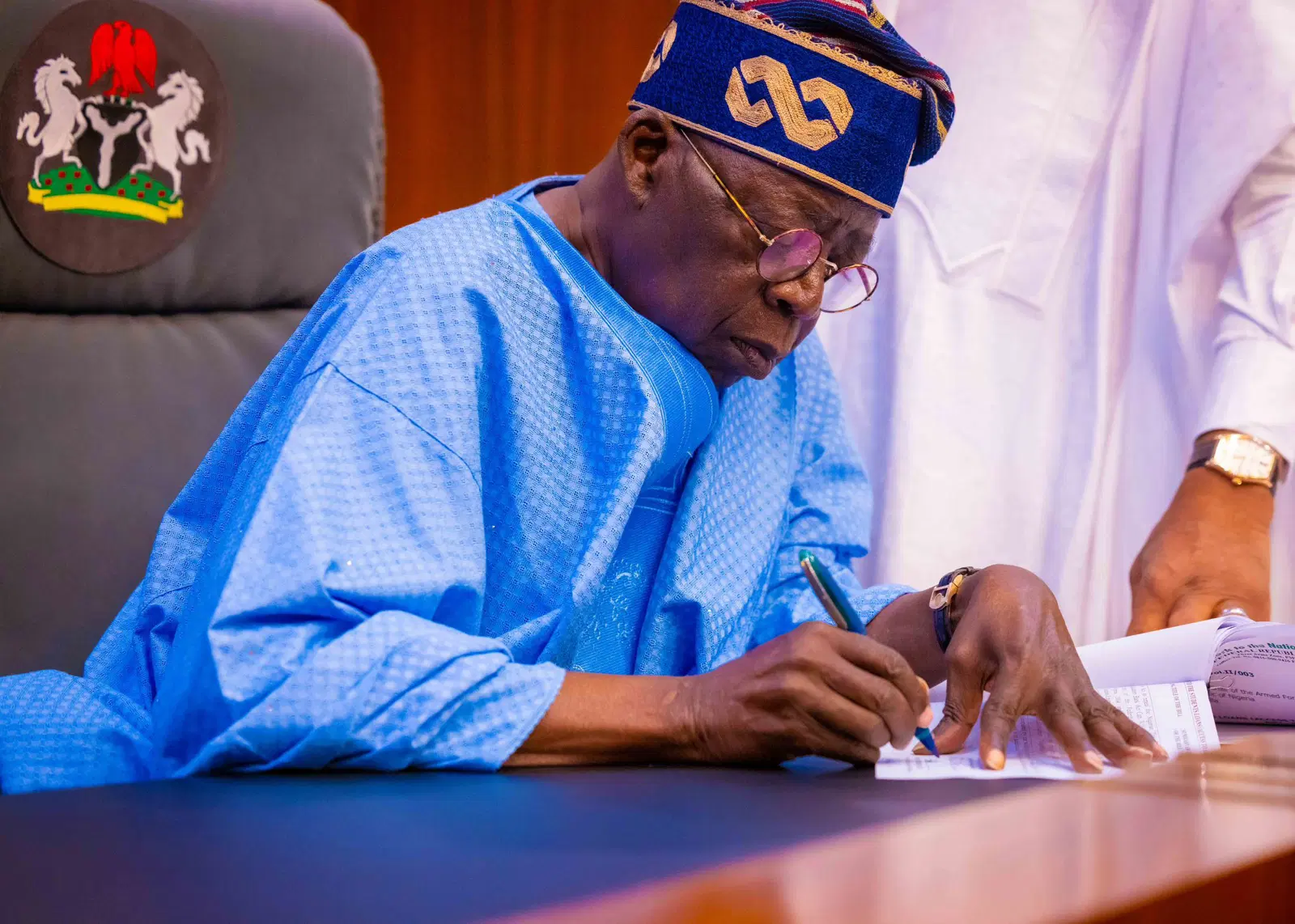
In a significant move aimed at improving the standard of living for Nigerian workers, President Bola Tinubu has signed the new N70,000 minimum wage bill into law. The signing took place yesterday in the council chamber of the State House during a Federal Executive Council (FEC) meeting.
The FEC meeting was momentarily suspended to allow the leadership of the National Assembly, led by Senate President Godswill Akpabio, to witness the historic signing. This new legislation, which marks a substantial increase from the previous minimum wage of N30,000, was swiftly passed by both the Senate and House of Representatives last Tuesday.
The bill went through an expedited process in both legislative chambers, passing the first (President Bola Tinubu’s request), second (debate on general principles), and third readings—all within an hour. This rapid progression underscores the urgency and importance of the bill.
In addition to raising the minimum wage to N70,000, the new law mandates a review of the minimum wage every three years to ensure it remains in line with economic realities and the cost of living. The previous minimum wage of N30,000 was established by former President Muhammadu Buhari in 2019.
The enactment of the new minimum wage act followed a series of meetings between the federal government and organized labor groups. These discussions were aimed at addressing the demands of workers for better pay and working conditions.
President Tinubu’s signing of the bill reflects his administration’s commitment to addressing the economic challenges faced by Nigerian workers and ensuring a fair and livable wage. This landmark legislation is expected to have a positive impact on the livelihoods of millions of Nigerians, providing them with greater financial stability and improving their overall quality of life.