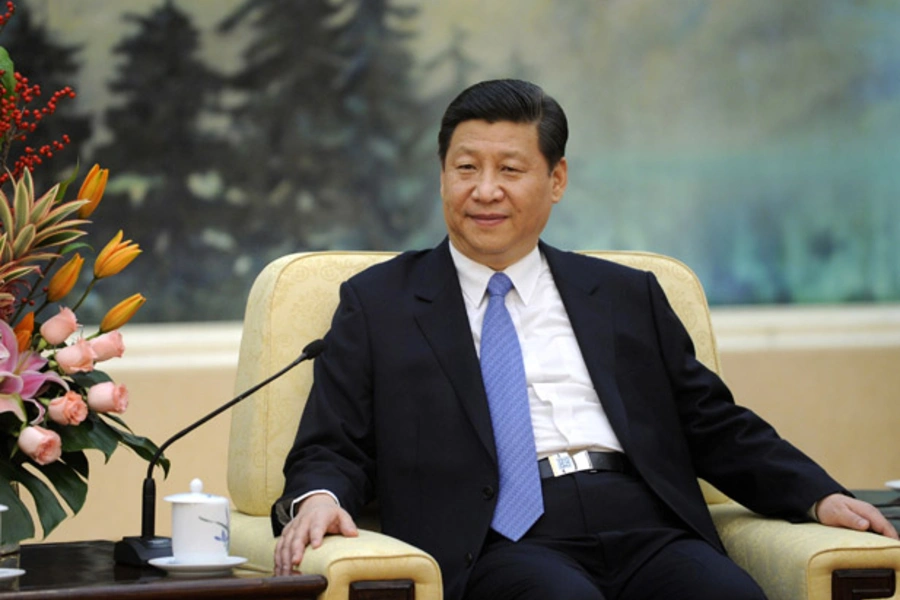
In a significant diplomatic thaw, Chinese President Xi Jinping on Friday invited Canadian Prime Minister Mark Carney to visit China, marking the first formal meeting between the two nations’ leaders since 2017. The bilateral talks, held on the sidelines of the APEC Summit in South Korea, signal a potential turning point in one of the most strained relationships between China and a Western nation.
“Recently, with the joint efforts of both sides, China-Canada relations have shown a recovery toward a trend of positive development,” Xi said during the meeting. “China is willing to work with Canada to bring China-Canada relations back to the right track.”
Carney, who accepted Xi’s invitation, acknowledged the rift that has characterized recent years but stressed the need for “constructive and pragmatic dialogue” to resolve ongoing issues and build “a more sustainable, inclusive international system.”
Relations between the two countries deteriorated sharply in 2018 after Canada arrested Huawei executive Meng Wanzhou on a U.S. extradition request. In response, Beijing detained two Canadian citizens on espionage charges, a move widely condemned as retaliatory. Although both sides have since released the detainees, trade and political tensions have persisted.
Earlier this year, Carney imposed a 25 percent tariff on steel imports containing Chinese-origin steel, prompting China to retaliate with a steep 75.8 percent customs duty on Canadian canola — one of Canada’s key agricultural exports.
Both China and Canada have also faced economic headwinds from U.S. President Donald Trump’s escalating trade measures. Trump announced Thursday that tariffs on Chinese imports would remain at an average of 47 percent while halving certain fentanyl-related tariffs. However, he also raised tariffs on Canadian goods by 10 percent and abruptly ended trade discussions, accusing Ottawa of orchestrating a “fake” anti-tariff ad campaign.
Speaking at the APEC summit, Carney acknowledged the shifting global order. “The old world of steady, rules-based trade and investment — the foundation of much of our prosperity — is gone,” he said, emphasizing Canada’s role as a future “energy superpower” and key supplier of liquefied natural gas to Asia.
Following his meeting with Carney, Xi also held first-time talks with Japan’s newly appointed prime minister, Sanae Takaichi — the country’s first female leader. The discussions came amid simmering tensions over defense policy and territorial disputes in the East China Sea.
Despite her reputation as a China hawk, Takaichi signaled a willingness to ease hostilities, calling for “mutual understanding and cooperation.” Xi responded by saying China was ready to pursue “constructive and stable” relations that align with “the requirements of a new era.”
Analysts described both meetings as efforts by Xi to stabilize regional relations amid intensifying global trade disruptions. “It could be a frosty get-to-know-you meeting,” said Professor Yee Kuang Heng of the University of Tokyo, “but stability remains a shared priority.”