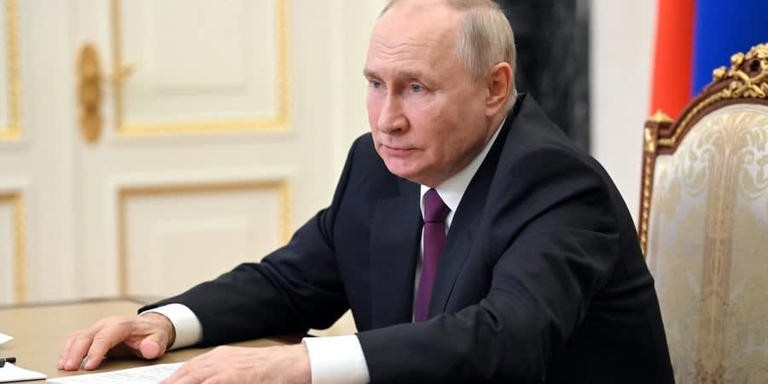
Russian President Vladimir Putin has expressed willingness to discuss a potential ceasefire in Ukraine with U.S. President-elect Donald Trump, but with significant conditions related to territorial claims and NATO’s role in the region, sources close to the Kremlin reveal.
Ceasefire Discussions and Territorial Ultimatums
Five current and former Russian officials, speaking anonymously, indicated that the Kremlin may consider freezing the conflict along the current front line. However, discussions would include controversial terms concerning the future of Donetsk, Luhansk, Zaporizhzhya, and Kherson regions.
While Russia has formally declared these territories as part of its domain, its forces currently control only 70–80% of these areas. Reports suggest Moscow might be open to withdrawing troops from smaller portions of Kharkiv and Mykolaiv regions but would demand recognition of its claims to occupied territories in exchange.
The Role of U.S. Military Aid
The officials acknowledged that President Joe Biden’s recent decision to permit Ukraine to use ATACMS missiles for deep strikes into Russian territory has complicated the potential for negotiations. They warned that the increased capability of Ukraine’s military could result in escalated demands from Moscow, prolonging the conflict or delaying any peace agreement.
Without a ceasefire, Russia plans to continue its military operations, the sources said, underscoring the fragile nature of any proposed settlement.
Conditions on NATO and Ukraine’s Sovereignty
Russia remains firmly opposed to Ukraine joining NATO or hosting NATO troops on its soil. However, the Kremlin is reportedly open to discussing alternative security guarantees for Kyiv. Additional Russian demands could include restricting the size of Ukraine’s armed forces and ensuring unrestricted use of the Russian language within Ukraine.
Expert Perspectives on Peace Talks
Dmitry Simes, a leading Russian-American expert, suggested that while a ceasefire might be achievable in the short term, a comprehensive, long-term agreement that satisfies the security concerns of both Ukraine and Russia remains highly improbable.
“A grand bargain will be very difficult to achieve because the positions of both sides are far apart,” Simes noted.
Trump’s Role in Negotiations
President-elect Trump has already hinted at plans to prioritize peace talks between Ukraine and Russia upon assuming office. According to reports from Nov. 11, Trump intends to bring both nations to the negotiating table immediately after his inauguration.
Trump’s spokesperson emphasized that his administration aims to broker a peace deal, stating, “On day one, this includes bringing Ukraine and Russia to the negotiating table to end this war.”
It was also reported that Trump had engaged in a phone call with Putin, advising the Russian leader to avoid further escalation in Ukraine and highlighting the U.S.’s substantial military presence in Europe. However, the Kremlin has denied the occurrence of such a call, with spokesman Dmitry Peskov stating there were no immediate plans for communication between the two leaders.
Ukraine’s Position and Reactions
Ukraine’s Foreign Ministry stated it had not been informed of the reported Trump-Putin conversation, raising concerns over potential sidelining in future negotiations.
As the possibility of peace talks looms, Kyiv remains cautious about any deal that could undermine its territorial sovereignty or security. Observers warn that any agreement will require delicate diplomacy to balance the conflicting interests of all parties involved.
With Trump poised to step into the role of mediator, the international community is watching closely to see if his administration can achieve a breakthrough in one of the world’s most contentious conflicts.