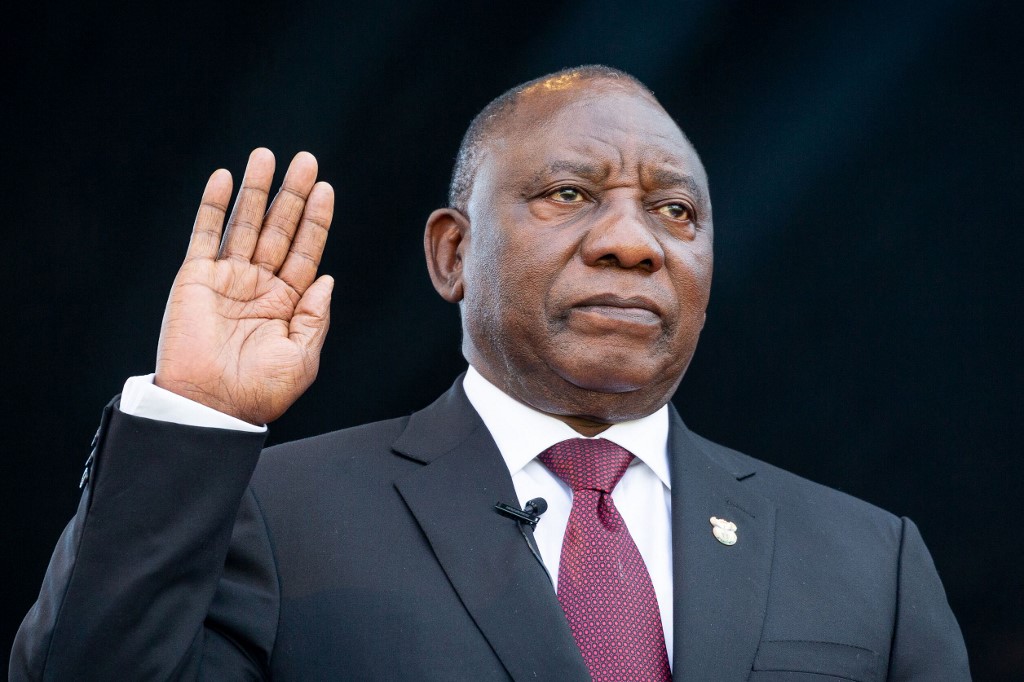
South Africa has made history by becoming the first African nation to lead the G20, a prominent forum representing the world’s largest economies. The formal transition of leadership occurred on Tuesday during the G20 Summit held in Rio de Janeiro, Brazil.
At the ceremony, Brazilian President Luiz Inácio Lula da Silva handed over the presidency to South African President Cyril Ramaphosa. The South African leader pledged to spotlight the priorities of the African continent and the Global South during his tenure.
Focus Areas for South Africa’s G20 Leadership
In his acceptance speech, President Ramaphosa identified three key focus areas for South Africa’s presidency:
- Inclusive Economic Growth – Emphasizing strategies to ensure that global economic development benefits all regions equitably.
- Food Security – Addressing critical challenges in agricultural production and access to nutrition, particularly for vulnerable populations.
- Innovation and AI for Sustainable Development – Leveraging emerging technologies to foster environmentally friendly and long-term economic growth.
“We will bring Africa’s development priorities and the interests of the Global South more firmly onto the G20 agenda,” Ramaphosa declared. “Our goal is to promote industrialization, employment, and the reduction of inequality, while ensuring sustainable development for all.”
Historical Significance and African Union Role
South Africa is the only African nation that is a permanent member of the G20, but the African Union’s accession as a G20 member in 2023 has marked a significant shift. This move underscored Africa’s rising influence in global policymaking.
The G20, comprising 19 individual nations and the European Union, includes major players such as the United States, China, India, and Germany. Permanent guest status is held by Spain, and additional participants are often invited to reflect regional and thematic priorities.
Commitment to Address Global Challenges
As the first African country to lead the G20, South Africa intends to champion the cause of equitable global growth and amplify the voices of underrepresented regions. President Ramaphosa expressed his administration’s commitment to addressing pressing global challenges, including climate change, international trade reform, and tackling global health disparities.
“We undertake to advance the collective work of the G20, ensuring that no one is left behind in the pursuit of economic growth and sustainable development,” Ramaphosa concluded.
Global Reaction
The historic transition has been met with optimism, particularly among African nations and Global South partners, who see South Africa’s presidency as an opportunity to highlight the unique challenges faced by developing economies.
Observers anticipate that South Africa’s leadership will bring fresh perspectives to the G20’s agenda, particularly on issues of industrialization, equitable resource allocation, and global cooperation in an era of rapid technological and geopolitical change.