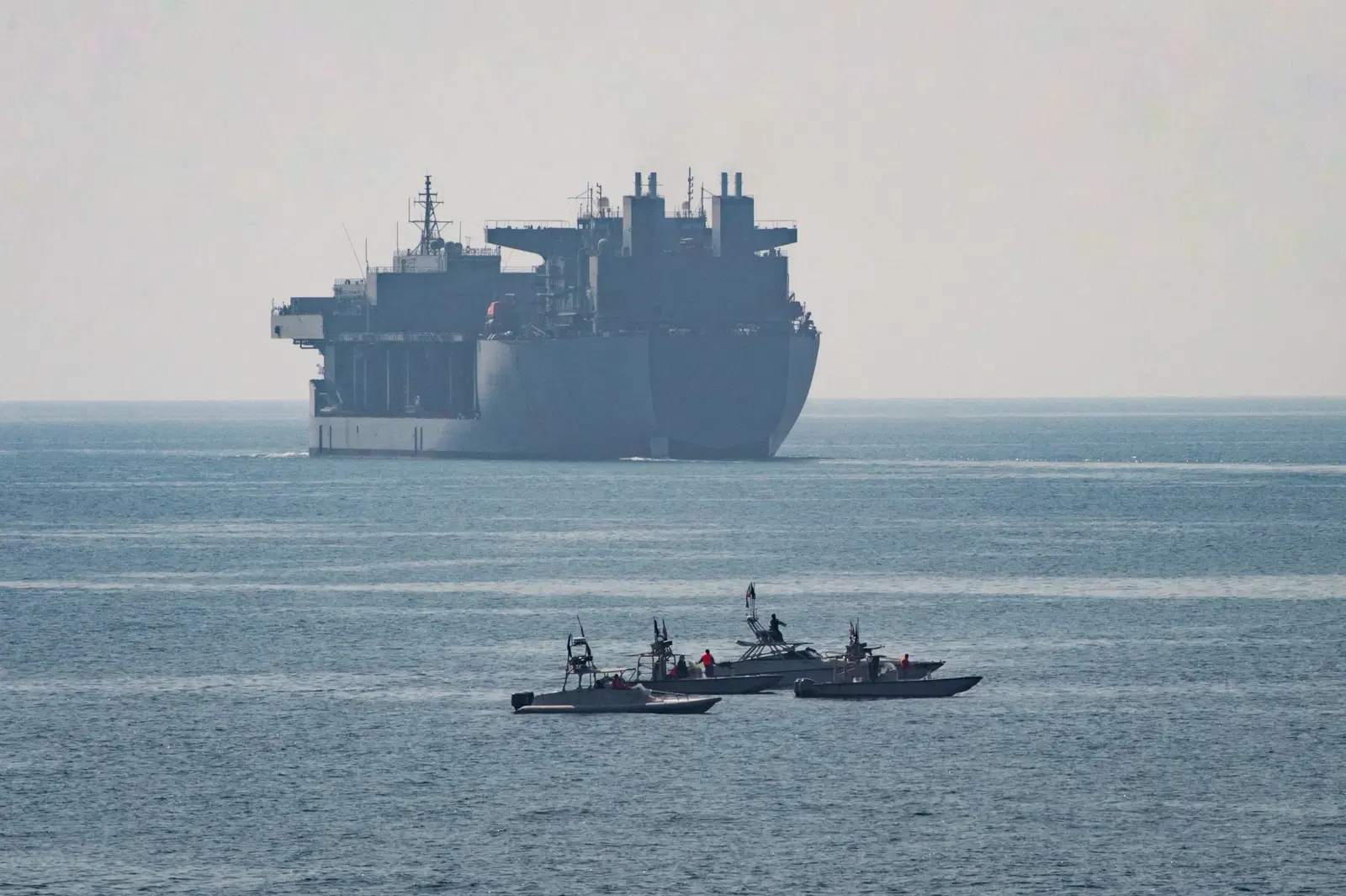
The strategic Strait of Hormuz has reopened to maritime traffic following a breakthrough agreement between the United States and Iran to implement a two-week ceasefire, easing tensions after weeks of escalating conflict.
Iran confirmed the temporary truce early Wednesday through Tasnim News Agency, which is closely aligned with the Islamic Revolutionary Guard Corps (IRGC). Iranian Foreign Minister Abbas Araghchi stated that safe passage through the vital waterway would be ensured for the duration of the ceasefire, in coordination with Iran’s armed forces and subject to certain technical considerations.
The reopening of the strait—one of the world’s most critical oil and gas transit routes—had been a key condition set by U.S. President Donald Trump. Washington had previously warned of potential strikes on Iran’s energy infrastructure, including bridges and key facilities, if Tehran failed to comply by a set deadline.
The waterway had remained largely inaccessible since February 28, when the United States, alongside Israel, launched large-scale military operations targeting Iranian positions. The closure raised global concerns over energy supply disruptions and escalating geopolitical instability.
A senior U.S. official confirmed that Israel is also expected to abide by what President Trump described as a “double-sided ceasefire,” signaling broader regional participation in the de-escalation effort.
Pakistan played a pivotal diplomatic role in brokering the agreement. Prime Minister Shehbaz Sharif announced that both nations, along with their allies, had agreed to an immediate and comprehensive ceasefire extending beyond the Gulf, including conflict zones such as Lebanon.
Sharif welcomed the development, praising the leadership of both countries and inviting their delegations to Islamabad for further negotiations aimed at achieving a long-term resolution. He also revealed that he had earlier urged President Trump to hold back from initiating additional military strikes.
Meanwhile, diplomatic efforts appear to be gaining traction. President Trump disclosed that the U.S. has received a 10-point proposal from Iran, describing it as a “workable basis” for future negotiations. Reports indicate that the proposal includes a call for the lifting of all sanctions imposed on Tehran.
While the ceasefire offers a temporary reprieve, analysts caution that sustained peace will depend on the success of upcoming negotiations and the willingness of all parties to commit to a lasting agreement.