A senior Iranian military official has warned that a renewed conflict between Iran and the United States is increasingly likely, underscoring fragile ceasefire conditions and stalled diplomatic efforts.
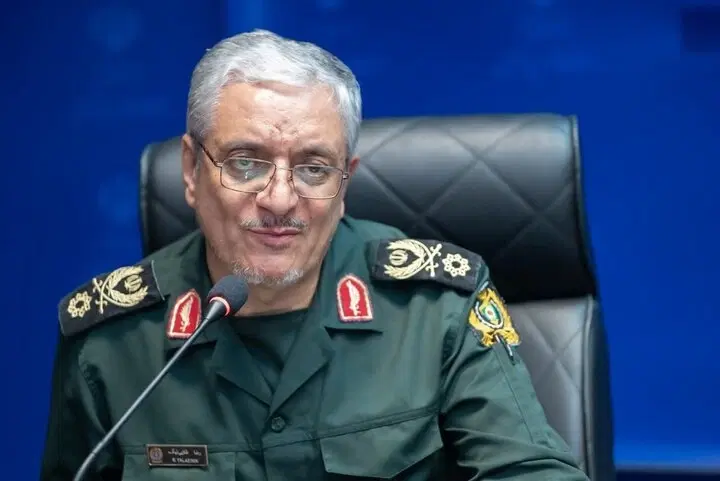
Speaking on Saturday, Mohammad Jafar Asadi, a top figure in Iran’s central military command, said recent developments suggest the possibility of further hostilities. His remarks came just hours after Donald Trump expressed dissatisfaction with a fresh negotiating proposal submitted by Tehran.
According to Iranian state media, the proposal was delivered through Pakistan, which has been acting as a mediator in the conflict. However, details of the draft have not been made public. Trump, addressing reporters, pointed to internal divisions within Iran’s leadership as a major obstacle to progress. “At this moment, I’m not satisfied with what they’re offering,” he said, while indicating he would prefer a diplomatic resolution over military escalation.
The conflict, which began in late February involving U.S. and Israeli forces, has been paused since April 8 following a ceasefire. However, peace talks held in Pakistan failed to produce a breakthrough, leaving negotiations in limbo.
Iranian judiciary chief Gholamhossein Mohseni Ejei reiterated Tehran’s openness to dialogue but rejected any externally imposed terms. Meanwhile, reports suggest U.S. envoy Steve Witkoff has proposed amendments that would reintroduce restrictions on Iran’s nuclear program as part of ongoing discussions.
The geopolitical standoff continues to rattle global markets, particularly due to disruptions in the Strait of Hormuz, a critical artery for global energy supplies. Iran has maintained tight control over the strait, while Washington has responded with a counter-blockade targeting Iranian ports.
Despite the ceasefire between Iran and the U.S., regional tensions remain high. In Lebanon, Israeli airstrikes have continued, reportedly killing civilians in the south, even amid a separate truce with the Iran-backed group Hezbollah.
Back in Washington, political pressure is mounting on Trump over the legal and economic implications of the conflict. Lawmakers are debating whether the administration violated congressional approval requirements for the war, while rising inflation and prolonged instability weigh on domestic sentiment ahead of upcoming elections.
Although Trump recently stated that hostilities have “terminated,” there has been no formal resolution to the crisis. On the ground in Iran, the economic impact is worsening, with inflation surging beyond 50 percent and many citizens struggling to afford basic necessities.
Iran’s Supreme Leader, Ayatollah Mojtaba Khamenei, has urged businesses to avoid layoffs despite mounting economic pressure, while warning of continued resistance through what he described as “economic and cultural jihad.”
With diplomatic efforts faltering and tensions simmering, the prospect of renewed conflict remains a growing concern for the region and the wider international community.