Fears of a broader conflict between the United States and Iran intensified on Monday after Washington confirmed the seizure of an Iranian cargo vessel, prompting swift retaliation threats from Tehran and raising doubts about the survival of a fragile ceasefire.
The incident comes just days before the expiration of a two-week truce, with diplomatic efforts to extend the agreement showing little progress. Iranian officials have already rejected proposals for a second round of negotiations put forward by Washington, deepening uncertainty over de-escalation.
According to the US military, forces engaged an Iranian-flagged cargo ship en route to Bandar Abbas on Sunday, following a prolonged six-hour standoff. The vessel’s engines were disabled before US Marines boarded it via helicopters.
President Donald Trump confirmed the operation on social media, stating that US forces had taken full control of the ship and were inspecting its contents.
Iran’s military condemned the move, describing it as an act of “armed piracy,” and warned of imminent retaliation. A spokesperson said the vessel had been traveling from China and vowed that Iran’s armed forces would respond.
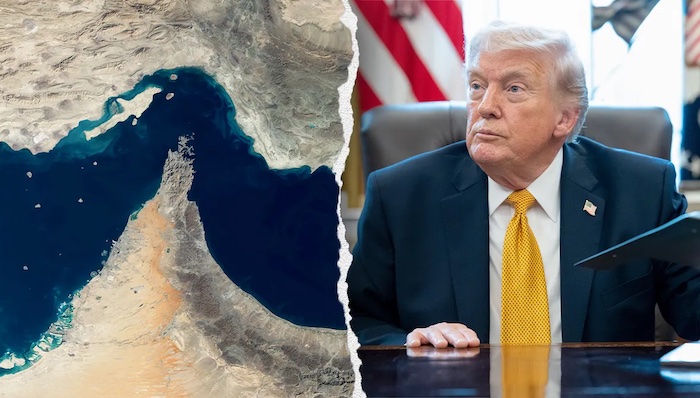
The standoff has heightened tensions in the Strait of Hormuz, a vital global oil corridor through which roughly one-fifth of the world’s supply passes. The US has maintained a blockade on Iranian ports, while Iran has intermittently imposed restrictions on maritime traffic in the region.
Global markets reacted sharply to the developments, with oil prices surging by more than five percent and stock markets fluctuating amid fears of further disruptions to energy supplies.
Iran’s First Vice President, Mohammadreza Aref, dismissed renewed US diplomatic overtures, criticizing ongoing economic pressure and warning of wider consequences.
“One cannot restrict Iran’s oil exports while expecting free security for others,” he said, signaling Tehran’s hardened stance.
Earlier, President Trump warned that the US could target Iranian infrastructure if Tehran refused its terms, further escalating tensions. In response, Iran has threatened strikes on power and water facilities in Gulf states hosting US military bases.
Amid the uncertainty, Pakistan has been preparing to mediate renewed talks, with US envoys expected in Islamabad. However, confusion remains over the composition of the American delegation, with conflicting reports about the involvement of Vice President JD Vance.
Iran’s parliament speaker, Mohammad Baqer Qalibaf, acknowledged limited progress in earlier discussions but noted that major disagreements persist, particularly on nuclear issues and control of the Strait of Hormuz.
European allies have also raised concerns that Washington may be pushing for a rapid agreement that fails to address complex technical matters requiring extended negotiations.
Now in its eighth week, the conflict has already caused one of the most significant disruptions to global energy supplies in recent history, largely due to reduced oil flows through the Strait.
The crisis has also led to heavy casualties, with thousands reportedly killed in strikes involving US and Israeli forces, alongside Iran’s retaliatory missile and drone attacks across the region.