Iran has reiterated that it has no intention of developing nuclear weapons as high-stakes negotiations with the United States are set to begin Thursday in Switzerland, in what officials describe as a last-ditch effort to prevent a broader regional conflict.
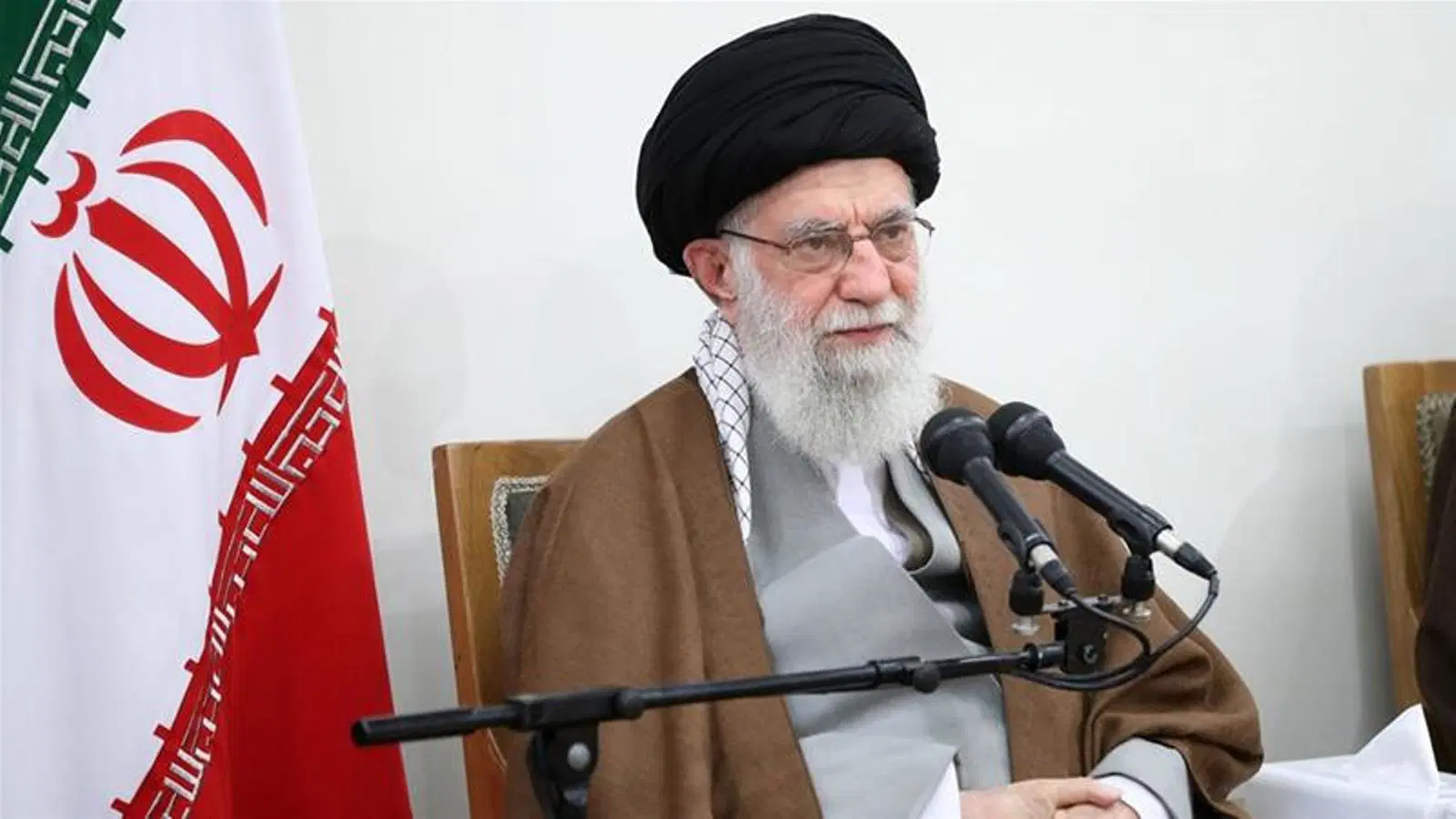
President Masoud Pezeshkian said the Islamic republic was “not at all” seeking a nuclear bomb, pointing to earlier declarations by Supreme Leader Ali Khamenei rejecting nuclear arms.
“Our Supreme Leader has already stated that we will not have nuclear weapons at all,” Pezeshkian said ahead of the talks.
The negotiations, mediated by Oman, come amid a significant US military build-up in the region — the largest in decades — and repeated warnings from President Donald Trump that Washington could launch strikes if Tehran fails to reach a deal.
Dispute Over Scope of Talks
While Tehran maintains the discussions should focus strictly on its nuclear programme, the US has broadened its demands to include Iran’s ballistic missile capabilities and its support for militant groups across the Middle East.
In his recent State of the Union address, Trump accused Iran of “pursuing sinister nuclear ambitions” and claimed the country was developing missiles capable of threatening Europe and US overseas bases, with future capacity to reach the American mainland.
Iran’s foreign ministry dismissed the allegations as “big lies,” insisting its nuclear programme is for civilian purposes only.
Tehran says the maximum range of its missiles is 2,000 kilometres (1,200 miles). However, the US Congressional Research Service estimates the range could extend up to 3,000 kilometres — still far short of reaching the continental United States.
Secretary of State Marco Rubio said Iran’s refusal to negotiate on its missile programme was “a big, big problem,” though he emphasized that Trump prefers a diplomatic outcome.
Vice President JD Vance echoed the president’s hardline stance, warning Tehran to take US threats seriously. “You can’t let the craziest and worst regime in the world have nuclear weapons,” Vance told Fox News, adding that the president had the right to use military force if necessary.
“Historic Opportunity” or Path to War?
Iran’s Foreign Minister Abbas Araghchi, who is leading Tehran’s delegation, described the talks as “a historic opportunity,” saying a deal was “within reach” if both sides demonstrate seriousness and avoid contradictory positions.
The US delegation is expected to include envoy Steve Witkoff and Jared Kushner.
Previous rounds of negotiations were held in Oman and later in Geneva. However, earlier diplomatic efforts collapsed last June after Israel launched surprise strikes on Iranian targets, triggering a 12-day conflict that briefly drew in Washington with airstrikes on nuclear facilities.
The renewed tensions come against the backdrop of internal unrest in Iran. Rights groups say thousands were killed during a wave of nationwide protests challenging the Islamic republic, prompting a sweeping crackdown by authorities in January. Trump has repeatedly suggested he would intervene to “help” the Iranian people.
Security analysts warn the stakes are high. Emile Hokayem of the International Institute for Strategic Studies said many in the region “expect a war,” cautioning that any new confrontation could be larger than last year’s fighting.
On the streets of Tehran, opinion remains divided. A 60-year-old homemaker, Tayebeh, told AFP that while war would bring severe hardship, it might also bring clarity.
“There would be famine and people would suffer a lot. People are suffering now, but at least with war, our fate might be clear,” she said.
As negotiators prepare to meet in Switzerland, both sides face mounting pressure — and a narrowing window — to secure a diplomatic breakthrough and avoid another escalation in an already volatile region.