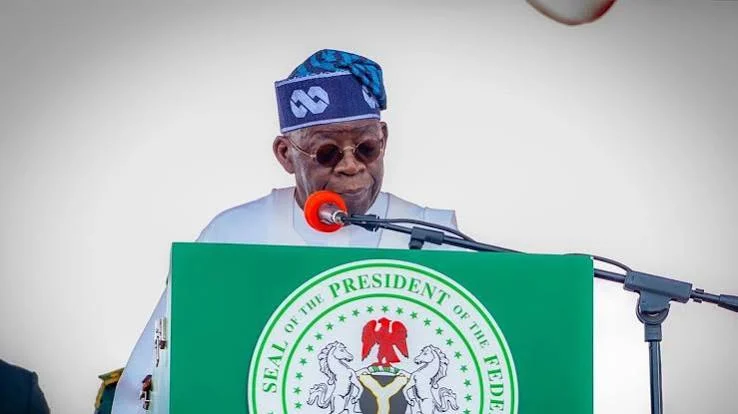
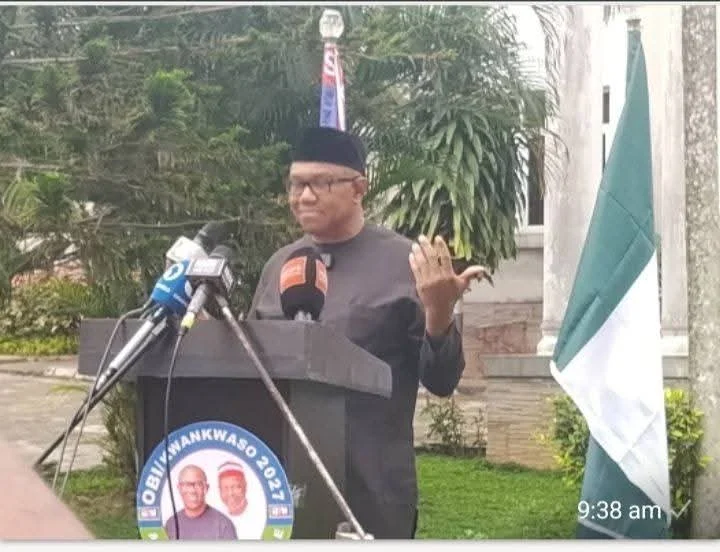
President Bola Tinubu, hailed as the founder of modern Lagos,
had strategically devised a plan to
navigate the complex world of political
interest groups while maintaining his vision of propelling Nigeria into a new
era of development. Recognizing his reputation as one of the country’s most
accomplished political godfathers, Tinubu aimed to strike a delicate balance
between appeasing his supporters and enlisting the best minds in the nation to
drive his developmental goals.
With a focus on both satisfying his political base and
fostering progress, Tinubu intended to tap into the expertise of Nigerians
within and outside the country. These brilliant minds would serve as key
advisers, working closely with the president to propel the nation forward
without compromising the primary objectives of governance. This twin strategy,
according to a highly placed source within the presidency, would ensure the
happiness of both the political base and those dedicated to advancing
development.
To fulfill his commitment to his political base, Tinubu made
a significant move before his trip to Paris, France: the dissolution of the
boards of government parastatals and agencies. This decision was expected to
create around 2,000 job openings that would immediately satisfy the needs of
his political supporters. However, it was also rumored that some agencies might
be consolidated or restructured as part of this process. Additionally, there
were mounting pressures on the president to recall ambassadors appointed during
the previous administration of Muhammadu Buhari.
Saturday Vanguard reported that some diplomats, eager to
retain their positions until their scheduled tenure end next year, had
initiated a desperate scheme to prolong their stay. Nevertheless, the new
administration felt compelled to carefully consider appointing trusted allies
to strategic diplomatic posts in Paris, London, and Washington D.C., given the
significance of these positions.
Meanwhile, intense lobbying for board and ministerial
positions was underway across various states. Loyalty to Tinubu became a
crucial factor as different interest groups advocated for their preferred
candidates. The stakes were high as these positions held considerable influence
and decision-making power, affecting the direction of governance and
development.
President Bola Tinubu’s meticulous strategy aimed to navigate
the intricate web of political interests while maintaining a steadfast focus on
transforming Nigeria into a beacon of progress. By skillfully balancing the
needs of his political base with his dedication to driving development, he
sought to leave a lasting legacy as a transformative leader in the nation’s
history.