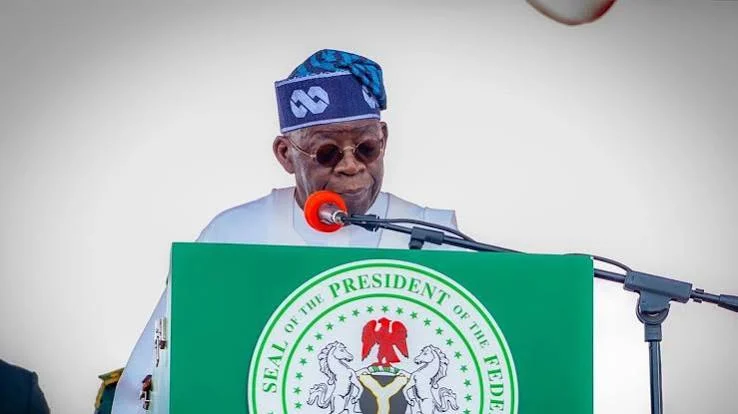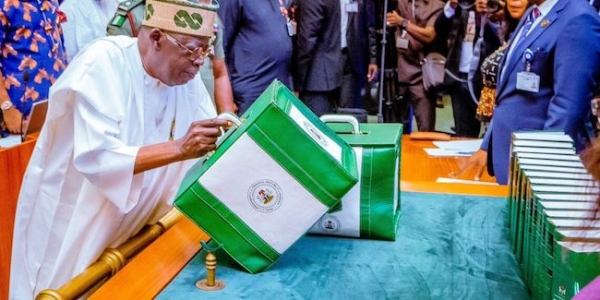
The Federal Government has approved the 2025 budget proposal, with President Bola Tinubu scheduled to present the N47.96 trillion budget to a joint session of the National Assembly on Wednesday, December 18. The presentation was initially slated for Tuesday but was postponed to allow the executive arm to finalize adjustments to the fiscal document.
Speaking to journalists on Monday, the Minister of State for Agriculture, Sabi Abdullahi, confirmed the rescheduling, saying, “The budget presentation has been postponed from Tuesday to Wednesday. The executive just needs to make one or two adjustments to the budget.”
Key Highlights of the 2025 Budget
The budget proposal aligns with the Medium-Term Expenditure Framework (MTEF) for 2025–2027, which the Senate endorsed on November 22. The framework provides the economic assumptions underlying the budget, including:
- Oil price benchmark: $75 per barrel
- Oil production target: 2.06 million barrels per day
- Exchange rate: ₦1,400 to the US dollar
- GDP growth rate: 4.6%
The MTEF projects a total revenue of ₦34.82 trillion for 2025, while the expenditure is set at ₦47.96 trillion—a 36.8% increase from the 2024 estimate. The fiscal deficit of ₦13.13 trillion represents 3.89% of GDP, with new borrowings of ₦9.22 trillion.
Federal Executive Council’s Approval
Minister of Budget and Economic Planning, Abubakar Bagudu, revealed that the Federal Executive Council (FEC) approved the budget proposal during its meeting at the Aso Rock Villa. Bagudu stated that the adjustments were made following recommendations by President Tinubu and other council members.
“The 2025 framework is based on the macroeconomic assumptions outlined in the MTEF, already approved by the National Assembly,” Bagudu noted. “The expenditure increase reflects our commitment to national development, with planned borrowing carefully aligned to GDP targets.”
National Assembly’s Role
Senate President Godswill Akpabio had earlier announced the President’s budget presentation schedule during a plenary session, urging senators to assemble for a joint session at the House of Representatives chamber. The legislature is expected to scrutinize the proposal and ensure it aligns with the fiscal policies outlined in the MTEF.
Performance of the 2024 Budget
Bagudu also provided insights into the performance of the 2024 budget. As of September 30, revenue inflows amounted to ₦14.55 trillion—75% of the pro-rated estimate—driven by robust non-oil revenue performance and petroleum sector deregulation.
On the expenditure side, ₦5.86 trillion was allocated for capital projects, with a utilization rate of 51%. Debt service, personnel costs, and pensions achieved near 100% performance, reflecting the administration’s commitment to fiscal responsibility.
Assurance of Timely Implementation
Despite delays in the budget presentation, the government remains confident that the January–December budget cycle will be maintained. Bagudu assured that the National Assembly’s track record of expeditious budget review would facilitate seamless implementation.
“The confidence-building measures between the executive and legislature will ensure a smooth process,” Bagudu added.
Oil Production Target and Economic Prospects
Bagudu expressed optimism about achieving the oil production target of 2.06 million barrels per day, citing recent discoveries in non-traditional regions like Nasarawa and Kolmani. “This target is realistic, and the President will hold stakeholders accountable to deliver on it,” he stated.
As Tinubu prepares to present the 2025 budget, analysts anticipate close collaboration between the executive and legislative arms to ensure the fiscal plan addresses Nigeria’s developmental priorities while navigating its economic challenges.