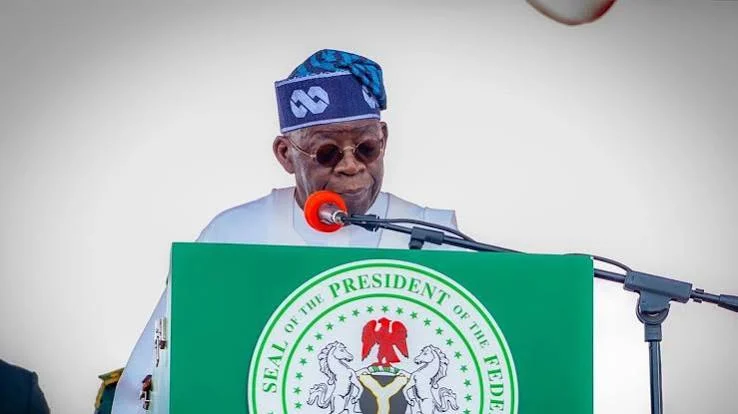
In a significant development on Thursday, President Bola
Tinubu made a noteworthy decision by
appointing the former chairman of the
Economic and Financial Crimes Commission (EFCC), Nuhu Ribadu, as his Special
Adviser on Security. This move came after exclusive reports by THE WHISTLER had
indicated that Ribadu was initially being considered for the position of
National Security Adviser, alongside two other candidates.
However, according to reliable presidential sources who spoke
to THE WHISTLER, it appears that President Tinubu may have chosen to eliminate
the position of the National Security Adviser altogether and replace it with
that of the Special Adviser on Security. Although the title may have changed,
the functions and responsibilities of the security adviser would remain the
same as those of the NSA.
Insiders revealed that President Tinubu likely opted to name
Ribadu as a special security adviser rather than as NSA in order to prevent
potential discontent among the nation’s military chiefs, who might not view a
retired police officer as a competent superior. The longstanding rivalry and
tensions between various security agencies, particularly the military and the
police, are well-documented, with the police often expressing concerns about
the military encroaching upon its constitutional mandate of handling internal
security matters.
This decision to appoint Ribadu as a security adviser means
that the security chiefs will now report directly to President Tinubu instead
of going through the NSA. This move, if it remains unchanged, could confirm the
concerns regarding the underlying rivalry between the police and the military.
Another source within the presidency echoed the sentiment
that the decision to forgo the appointment of an NSA was influenced by Ribadu’s
background in the police force. It was feared that this might lead to a
perception of bias in favor of the police among military personnel.
Consequently, Tinubu’s choice to appoint Ribadu in a different capacity aimed
to mitigate such concerns.
Ribadu gained widespread recognition for his exceptional
track record as the chairman of the EFCC, where he spearheaded the fight
against corruption during his tenure. His appointment as the Special Adviser on
Security solidifies his position as a key advisor to President Tinubu on
matters pertaining to national security.
While Ribadu’s experience in law enforcement and combating
financial crimes has earned him respect, some questions may arise regarding his
expertise in handling broader security matters that extend beyond his previous
role at the EFCC.
In his new role as Special Adviser on Security, Ribadu will
be entrusted with the responsibility of coordinating efforts across various
agencies to ensure the safety and stability of the nation.
President Tinubu’s decision to bypass the appointment of an
NSA may indicate his desire for a more direct and hands-on approach to national
security matters. By having the security chiefs report directly to him, Tinubu
aims to maintain tight control over security decision-making and ensure a
seamless flow of information, minimizing potential obstacles arising from the rivalry
between Ribadu and the military chiefs.