Fresh military exchanges between the United States and Iran have raised fears of renewed conflict in the Middle East, with US President Donald Trump warning of overwhelming retaliation if Tehran continues attacks against American interests.
The latest escalation came on Sunday as Iran announced it had carried out a third consecutive day of retaliatory strikes following recent US military operations on Iranian territory. The renewed hostilities have further strained a fragile ceasefire agreement that both countries accuse each other of violating.
The deteriorating security situation has cast doubt over ongoing diplomatic efforts aimed at ending months of conflict involving the United States, Iran and Israel. The war, which erupted earlier this year, disrupted maritime trade through the Strait of Hormuz and triggered volatility in global oil and energy markets.
Iran’s Revolutionary Guards said they had intensified security operations in the Strait of Hormuz, one of the world’s busiest oil shipping routes, warning that vessels violating Iran’s maritime regulations would face tougher enforcement measures.
According to the Guards, all authorised maritime traffic must pass through designated corridors along Iran’s coastline, adding that stricter monitoring had become necessary in light of growing regional tensions.
The Iranian military also claimed responsibility for fresh strikes targeting American military installations in the Gulf region.
In a statement, the Revolutionary Guards said they had destroyed eight key US military facilities at the Ali al-Salem Air Base in Kuwait and the US Fifth Fleet naval headquarters located in Port Salman, Bahrain.
The military warned that any future military action against Iran, regardless of the scale or justification, would be met with what it described as a “crushing response.”
“Any enemy aggression, whatever the pretext, even against insignificant targets, will receive a decisive and overwhelming response,” the statement said.
Authorities in Bahrain confirmed that air raid sirens were activated twice on Sunday, prompting heightened security measures across the Gulf kingdom. However, officials did not immediately provide details regarding casualties or damage.
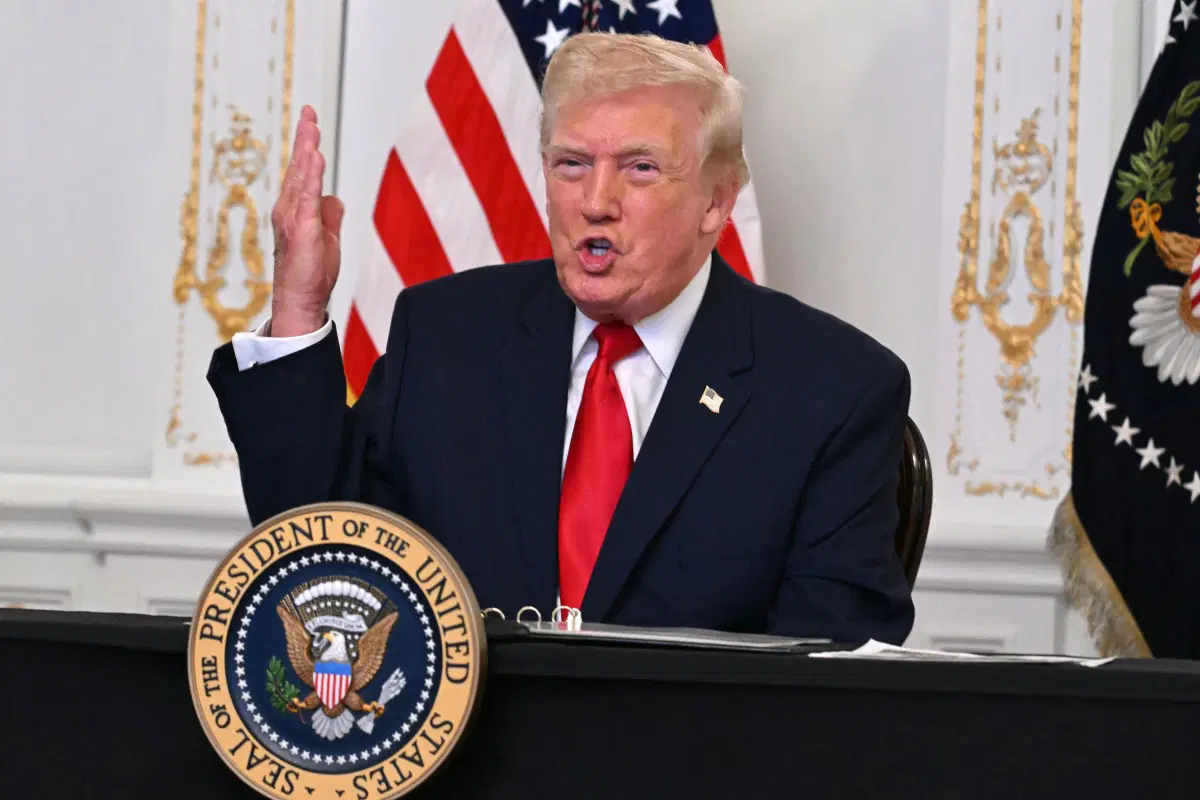
Meanwhile, President Trump issued a stern warning to Tehran, declaring that any continued attacks against US personnel or military assets would trigger an overwhelming response capable of devastating Iran’s military infrastructure.
The exchange has intensified concerns that the ceasefire brokered by Pakistan earlier this month may be on the verge of collapse.
Under the memorandum of understanding signed in mid-June, both Washington and Tehran agreed not to initiate military operations against one another and pledged to refrain from threats or the use of force.
The agreement also committed both nations and their allies to resolving disputes through diplomatic engagement rather than military confrontation.
Despite the accord, both sides have repeatedly accused each other of violating its terms, with each blaming the other for provoking the latest round of hostilities.
The renewed tensions have also heightened concerns over global energy supplies, as the Strait of Hormuz remains a critical maritime corridor through which a significant share of the world’s crude oil exports passes.
Diplomatic observers warn that any prolonged disruption to shipping through the strategic waterway could have far-reaching consequences for international trade, energy prices and regional security.
Efforts by regional and international mediators to salvage the ceasefire are expected to continue as fears grow that further military escalation could draw additional countries into the conflict.