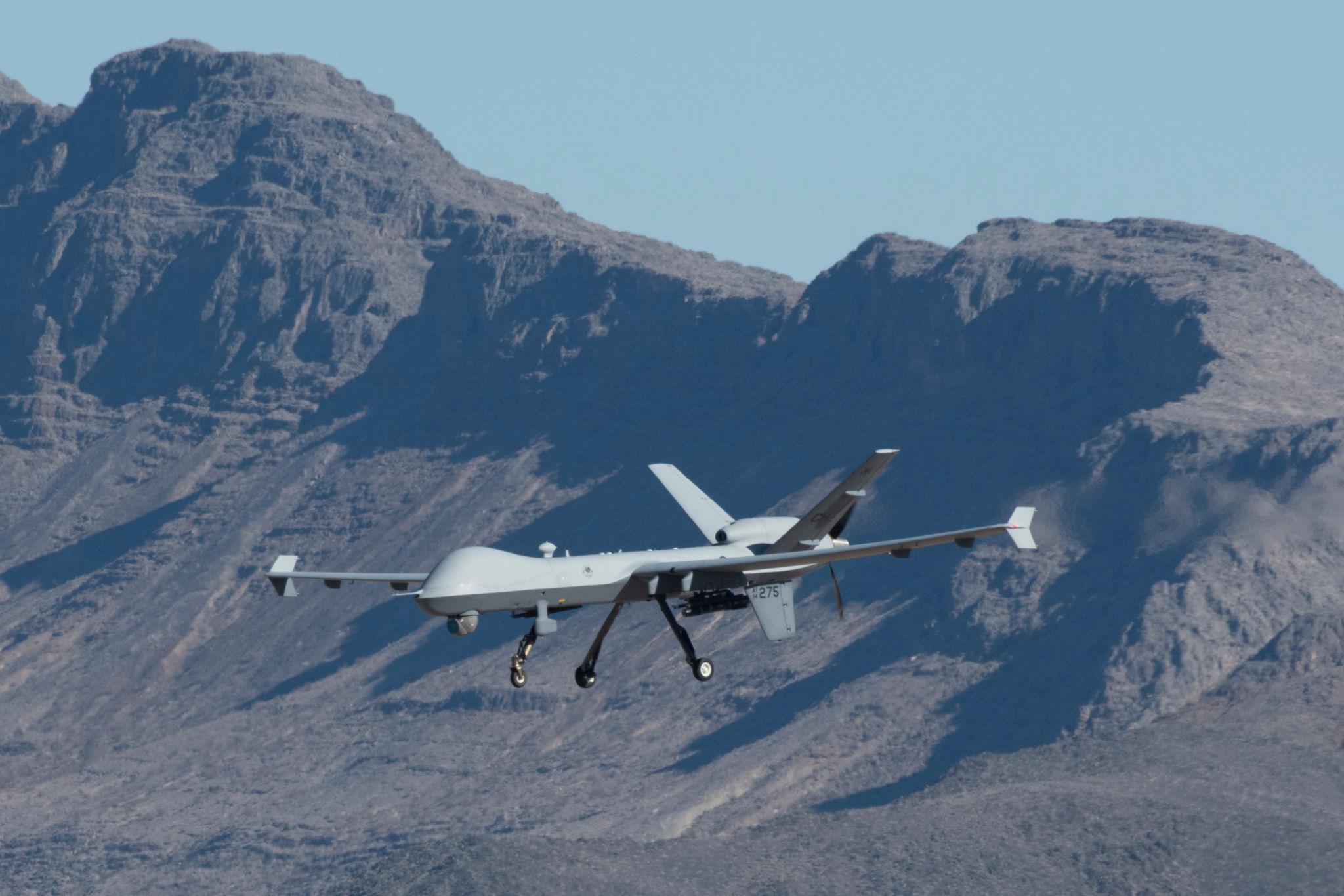
The United States has expanded its security cooperation with Nigeria by deploying 200 troops and advanced MQ-9 drones to Bauchi State, aiming to strengthen intelligence gathering and military training in the fight against insurgency.
According to US and Nigerian officials, the deployment focuses strictly on non-combat roles, with American personnel operating from an airfield in Bauchi. The troops are not embedded with Nigerian frontline units but instead provide technical support and strategic intelligence.
The MQ-9 drones, also known as Reaper drones, will be used solely for surveillance and reconnaissance missions rather than airstrikes. Officials say the assets are intended to enhance Nigeria’s capacity to identify and respond to terrorist threats across its northern regions.
The move comes as Nigeria continues to battle Islamist insurgent groups, including Boko Haram and ISWAP, which have sustained attacks despite years of military operations. A recent suicide bombing on a garrison town in the North-east underscored the persistent threat posed by these groups.
A former Chief of Army Staff, Lt. Gen. Tukur Buratai (retd.), recently acknowledged that while the military has made progress, it still faces operational constraints. He cited insufficient manpower and equipment relative to the vast terrain, emphasizing the need for more technological support such as drones.
US officials described the deployment as a response to Nigeria’s request for assistance, framing the insurgency as a shared security concern. The partnership builds on a newly established US-Nigeria intelligence fusion cell, designed to provide real-time intelligence to commanders in the field.
Nigeria’s Defence Headquarters confirmed the development, reiterating that US forces remain in a strictly supportive role. Military spokesperson Major General Samaila Uba said the collaboration is already contributing to improved threat detection and operational planning.
The deployment follows earlier US military activity in the region, including airstrikes in northwestern Nigeria in late 2025. It also comes after the closure of a major US drone base in Niger Republic in 2024, which had previously supported surveillance operations across the Sahel.
Security challenges in Nigeria have continued to evolve, with increased banditry in the North-west raising fears of further expansion of extremist networks. Authorities warn that militant groups may intensify high-profile attacks in an effort to assert their relevance.
While details of specific operations remain undisclosed, officials say the enhanced intelligence-sharing arrangement is expected to improve Nigeria’s ability to track and disrupt terrorist activities.
Both countries are yet to announce how long the US deployment will remain in place, but officials indicate that the timeline will be determined jointly based on operational needs and progress on the ground.