The United States and Iran have agreed to end 107 days of conflict, paving the way for a formal peace accord expected to be signed in Switzerland on Friday following negotiations mediated by Pakistan.
The breakthrough was announced after both countries declared a permanent cessation of military operations, raising hopes for stability in a region shaken by months of fighting and economic uncertainty.
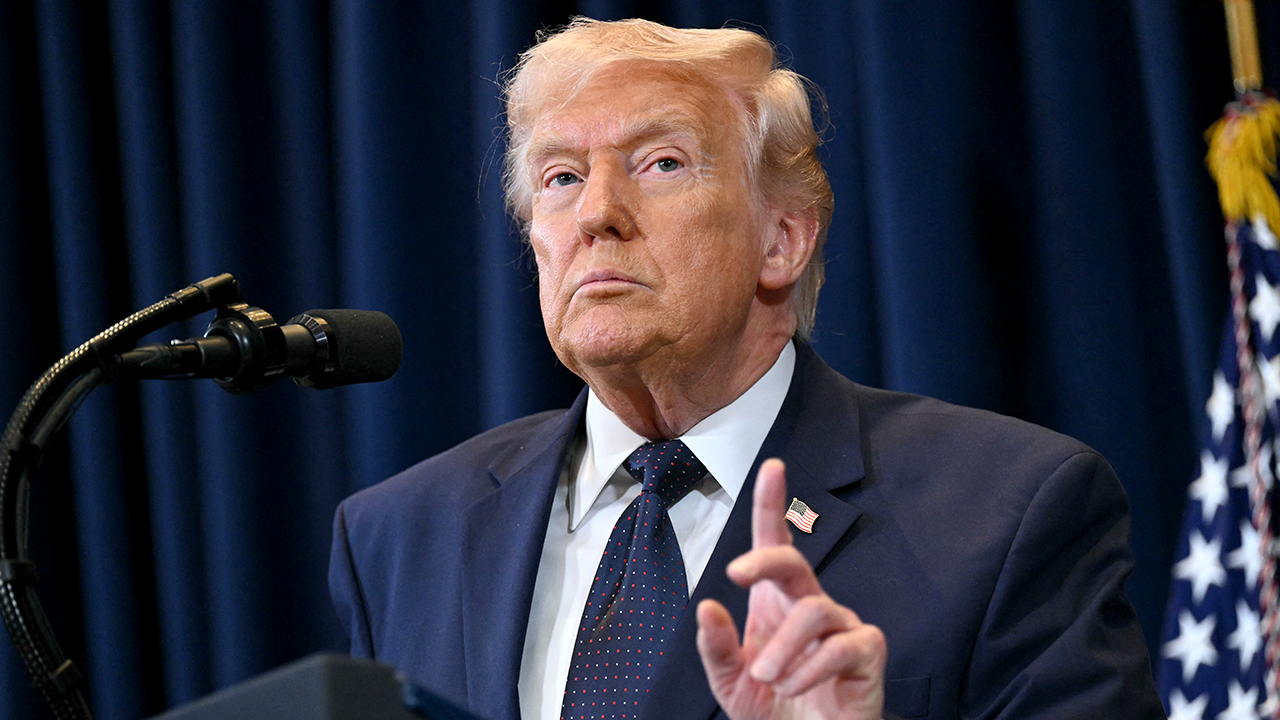
As part of the agreement, U.S. President Donald Trump authorised the immediate removal of the American naval blockade on Iran and approved the reopening of the Strait of Hormuz, one of the world’s most important energy shipping routes.
In a post on Truth Social, Trump stated, “I hereby fully authorise the toll-free opening of the Strait of Hormuz and, simultaneously, authorise the immediate removal of the United States naval blockade.”
The reopening of the strategic waterway is expected to ease pressure on global oil markets and restore the flow of energy supplies disrupted by the conflict.
While full details of the agreement have yet to be released, Pakistani officials confirmed that representatives of both nations are scheduled to sign the accord in Switzerland on Friday. Key issues, including Iran’s nuclear programme, are expected to be addressed in follow-up negotiations.
Iran’s Deputy Foreign Minister, Kazem Gharibabadi, confirmed the agreement during a state television broadcast but noted that implementation would begin only after the formal signing. He said the breakthrough followed more than 14 hours of negotiations in Tehran involving mediators from Qatar.
Pakistan’s Prime Minister, Shehbaz Sharif, hailed the development, saying both sides had agreed to the “immediate and permanent termination of military operations on all fronts, including in Lebanon.”
According to Pakistani officials, technical discussions on unresolved issues, including Iran’s nuclear activities, will continue over the next 60 days, with the possibility of extending the timeline if necessary.
The agreement emerged despite heightened regional tensions. Israel, which was not directly involved in the negotiations, continued military operations against Hezbollah positions in Lebanon during the final stages of the talks.
The conflict, which began on February 28, has left thousands dead and caused significant disruption across the Middle East. The closure of the Strait of Hormuz during the fighting severely affected global trade and energy markets, underscoring the strategic importance of the narrow waterway.
The deal has drawn criticism from some Israeli leaders and political figures in the United States, who argue that it does not sufficiently address concerns over Iran’s missile programme, regional influence, and nuclear ambitions.
Iran has maintained that its nuclear programme is intended for peaceful purposes and has insisted that discussions on the issue should remain separate from efforts to end the war.
Financial markets responded positively to news of the agreement. Oil prices fell sharply on Sunday, with Brent crude dropping nearly four percent and U.S. crude declining by almost five percent as traders anticipated the restoration of energy exports and shipping activity.
Analysts, however, cautioned that restoring normal operations will take time. The Strait of Hormuz must be cleared of potential hazards, damaged infrastructure repaired, and regional energy production gradually returned to pre-war levels.
Despite the challenges ahead, the agreement marks the most significant diplomatic breakthrough between Washington and Tehran in years and offers renewed hope for stability in the Gulf region and global energy markets.