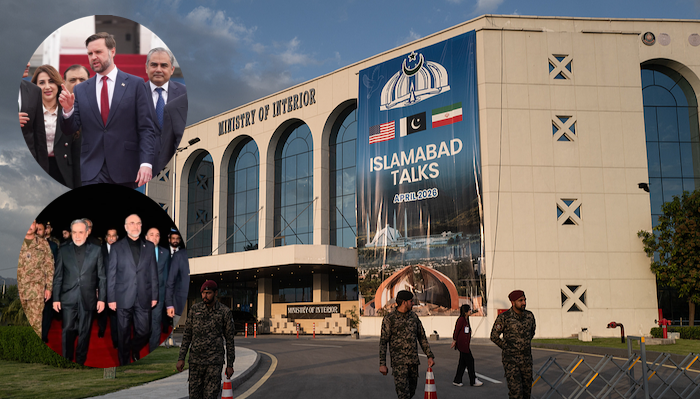
High-level negotiations between the United States and Iran in Islamabad have ended without an agreement, marking a setback in efforts to ease long-standing tensions between the two countries.
The talks, held over several days in Pakistan’s capital, concluded after Washington presented what officials described as its “final and best offer.” However, the proposal was rejected by Tehran, halting progress toward a potential diplomatic breakthrough.
US Vice President JD Vance stated that Iran declined to accept the terms outlined by Washington, emphasizing that the offer represented the last opportunity for resolution under the current framework.
“This is our final and best offer,” Vance said before departing Islamabad, signaling a tougher stance from the United States and casting doubt over the future of ongoing diplomatic engagement.
Iranian officials responded critically, urging Washington to refrain from what they described as excessive demands. The country’s foreign ministry noted that the negotiations took place in an environment shaped by deep mistrust and skepticism, highlighting the persistent challenges facing both sides.
Analysts had previously expressed doubts about the likelihood of a comprehensive deal, citing entrenched disagreements over key issues. Observers in Islamabad reported that preparations for the talks were swiftly dismantled following their conclusion, underscoring the abrupt end to the discussions.
The breakdown in negotiations has raised concerns about further deterioration in relations, with experts warning it could complicate broader efforts to maintain stability in the region.
Separately, regional tensions remain high. Israel’s military confirmed it carried out a strike targeting a rocket launcher in Lebanon, reflecting ongoing security challenges in the Middle East.
Despite the diplomatic setback, Israel and Lebanon are expected to engage in separate talks in Washington next week, in what officials hope may provide a pathway toward de-escalation.