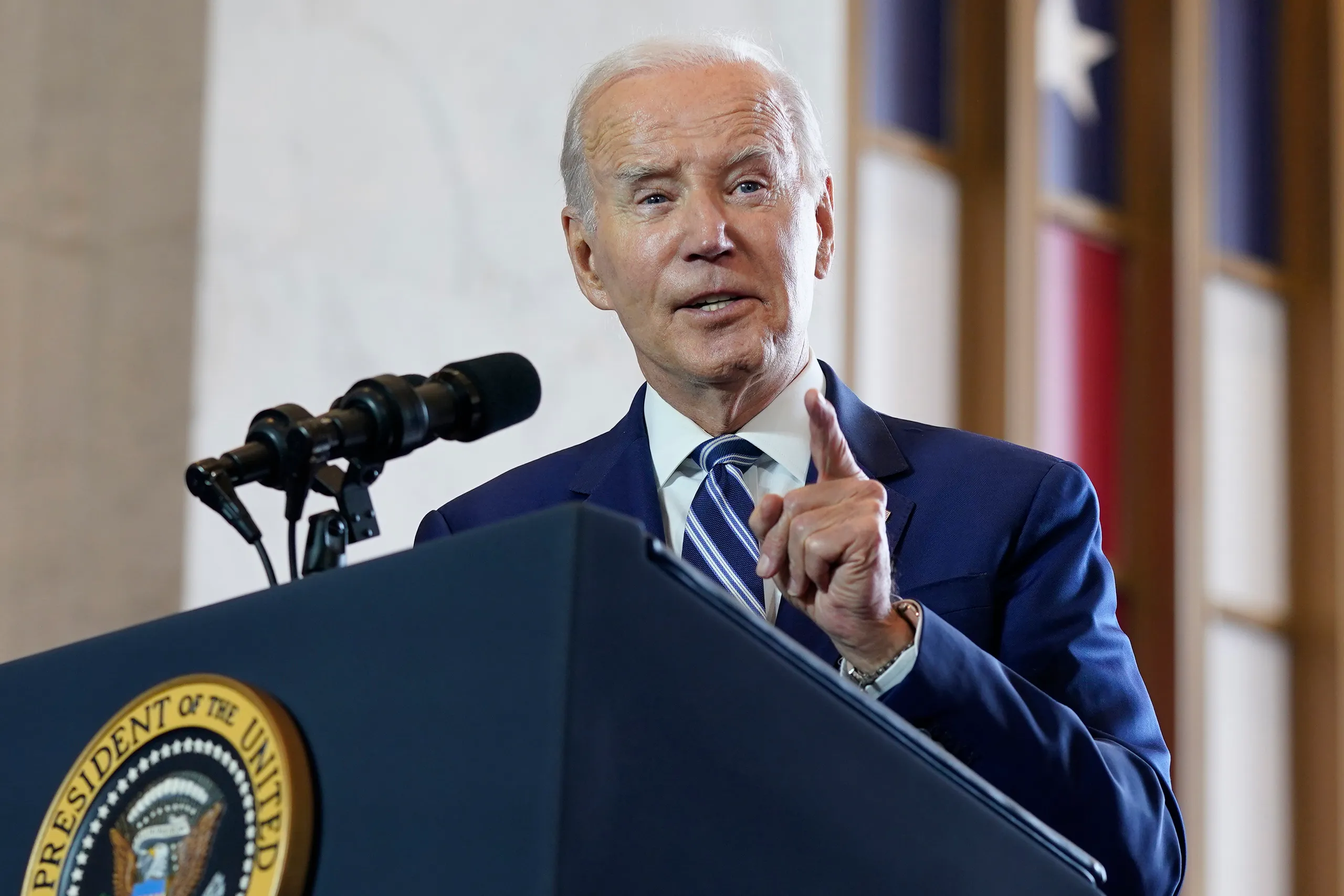
In a significant move to address food insecurity and other urgent humanitarian needs across Africa, the United States has announced more than $1 billion in additional aid. The funding, unveiled during President Joe Biden’s recent visit to Angola, will target refugees, internally displaced persons (IDPs), and vulnerable communities across 31 African nations.
This assistance includes nearly $823 million from the United States Agency for International Development (USAID), of which $202 million is sourced from the U.S. Department of Agriculture’s Commodity Credit Corporation. An additional $186 million will be disbursed through the U.S. Department of State, reflecting a robust commitment to combating food insecurity and addressing critical needs.
A Crisis of Alarming Proportions
Africa continues to face an escalating hunger crisis, with nearly 300 million people—approximately one in five Africans—experiencing food insecurity, according to the United Nations. The continent has the highest proportion of its population suffering from hunger globally.
The crisis has been exacerbated by armed conflict, extreme weather events, natural disasters, and economic challenges, all of which have intensified the demand for humanitarian assistance. The Biden administration’s announcement underscores the urgent need to alleviate suffering and support resilience among Africa’s most vulnerable populations.
Details of the Assistance Package
The newly announced funding aims to address a broad range of needs, including:
- Food Assistance: The Commodity Credit Corporation will purchase, ship, and distribute U.S.-produced agricultural commodities to food-insecure populations in East and Central Africa.
- Health and Sanitation: Partners will provide emergency healthcare and sanitation services to prevent the spread of infectious diseases.
- Essential Services: Aid will support protection, mental health, education, and shelter for displaced and affected populations.
- Exploitation Prevention: Programs will focus on protecting at-risk individuals, including refugees and IDPs, from exploitation and abuse.
The funding also includes life-saving interventions for communities affected by acute food insecurity and malnutrition, ensuring they can meet basic survival needs.
A Renewed Call to Action
President Biden has reaffirmed the United States’ commitment to African partners, building on pledges made during the 2022 U.S.-Africa Leaders’ Summit. The summit emphasized collaboration to accelerate progress toward achieving food security while addressing immediate humanitarian crises.
Despite the U.S. providing nearly $6.6 billion in humanitarian assistance across sub-Saharan Africa in Fiscal Year 2024, the administration is calling on other international donors to increase their contributions. The current level of global support, they argue, falls short of the escalating needs driven by conflict, climate change, and economic instability.
Broader Implications
The announcement demonstrates the United States’ long-standing role as a key player in global humanitarian efforts. By prioritizing food security and urgent needs, the U.S. aims to alleviate immediate suffering while fostering long-term stability across Africa.
However, addressing the root causes of food insecurity—such as climate vulnerability, agricultural inefficiencies, and political instability—will require sustained global collaboration. The Biden administration’s latest commitment is a step in that direction, but as needs rise, so too does the imperative for broader international engagement.