The World Bank is set to approve three major loan projects totaling $1.65 billion for Nigeria in 2025. These loans aim to address critical developmental challenges in the country, including support for internally displaced persons (IDPs), education, and nutrition enhancement.
Details on the projects were obtained from the World Bank’s website, highlighting its continued commitment to aiding Nigeria’s socio-economic recovery, particularly in vulnerable sectors.
Focus Areas of the Loans
- Solutions for Internally Displaced and Host Communities Project
- Commitment Amount: $300 million
- Approval Date: April 8, 2025
- This initiative aims to provide sustainable solutions for the social and economic challenges faced by internally displaced persons and their host communities.
- HOPE for Quality Basic Education for All
- Commitment Amount: $553.8 million
- Approval Date: March 20, 2025
- Focused on improving access to basic education, this project will address systemic issues in Nigeria’s educational sector to enhance quality and inclusivity.
- Accelerating Nutrition Results in Nigeria 2.0
- Commitment Amount: $800 million
- Approval Date: February 20, 2025
- The largest of the proposed loans, this project seeks to combat malnutrition, particularly among vulnerable populations, by scaling up proven interventions.
World Bank’s Broader Commitment
The $1.65 billion financing package aligns with the World Bank’s broader strategy of supporting Nigeria’s ongoing reforms and addressing urgent developmental needs. The institution emphasized that Nigeria’s ability to meet project prerequisites and ensure accountability in implementation will be pivotal in securing these funds.
Previous Loans Under the Tinubu Administration
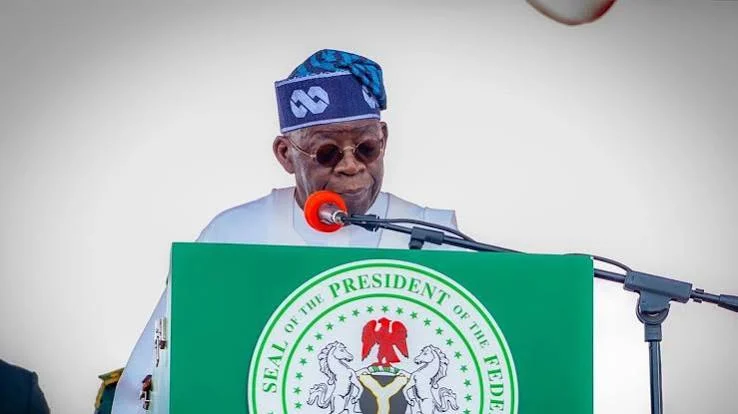
Since President Bola Tinubu assumed office, Nigeria has secured $6.95 billion in World Bank loans over the past 18 months. This includes:
- Rural Access and Agricultural Marketing Project – Scale Up ($500 million): Approved in December 2024, this project aims to bridge the gap between rural communities and marketplaces, improving access to agricultural markets, schools, and hospitals.
- Power Sector Recovery Performance-Based Operation ($750 million): Approved as part of efforts to stabilize Nigeria’s power sector.
- Adolescent Girls Initiative for Learning and Empowerment ($700 million): Focused on secondary education for girls in target states.
- Distributed Access Through Renewable Energy Scale-Up ($750 million): Aims to provide electricity to 17.5 million Nigerians via renewable energy solutions.
Rising Debt Concerns
According to Nigeria’s Debt Management Office, the World Bank’s share of the country’s external debt currently stands at $16.32 billion, representing 38% of total external debt. Meanwhile, Nigeria spent $3.58 billion servicing foreign debt in the first nine months of 2024, a significant increase from the $2.56 billion spent during the same period in 2023.
The World Bank’s International Debt Report highlighted that developing nations are grappling with rising debt servicing costs, driven by high interest rates. Nigeria, as one of the largest recipients of World Bank financing, continues to face mounting fiscal pressure amid economic challenges.
Looking Ahead
The proposed 2025 loans underscore the World Bank’s commitment to addressing Nigeria’s pressing developmental needs. However, the country’s rising external debt servicing costs and the challenges of implementing effective accountability measures will remain critical factors in ensuring the success of these projects.