Abuja, Nigeria — Organised Labour has called on President Bola Tinubu to demonstrate his commitment to Nigerian workers by approving a minimum wage of N250,000 to match the current inflationary trends in the country.
Prince Adewale Adeyanju, a member of the organised labour negotiating team in the Tripartite Committee on the New National Minimum Wage and President-General of the Maritime Workers Union of Nigeria (MWUN), accused state governors of hindering efforts to secure a reasonable wage for public workers.
“If you are an employer of labour and you do not have the love of your workers in your heart, how do you call yourself an employer of labour? We have problems with the OPS and the state governors that believe they cannot afford to pay N30,000, much less the figure that labour is demanding,” Adeyanju stated.
He detailed the negotiations, explaining that the state governors and the Organised Private Sector (OPS) have been resistant to wage increases. The discussions saw various proposed figures, ranging from N30,000 to N62,000, with labour unions ultimately advocating for N250,000.
“At the negotiating table, there was bargaining as if it were tomatoes and onions. Eventually, the government and OPS sides recommended N62,000, while the labour side, including the TUC and NLC, stood firm at N250,000,” Adeyanju said.
He emphasized that the current economic conditions have severely impacted workers, making the proposed N250,000 essential for their survival and well-being.
“The country is not smiling. We all know the harsh economic situation, and workers are unhappy with the economic downturn. This minimum wage adjustment comes every five years. Between now and five years, what will be the impact of the new minimum wage on workers’ lives?” he questioned.
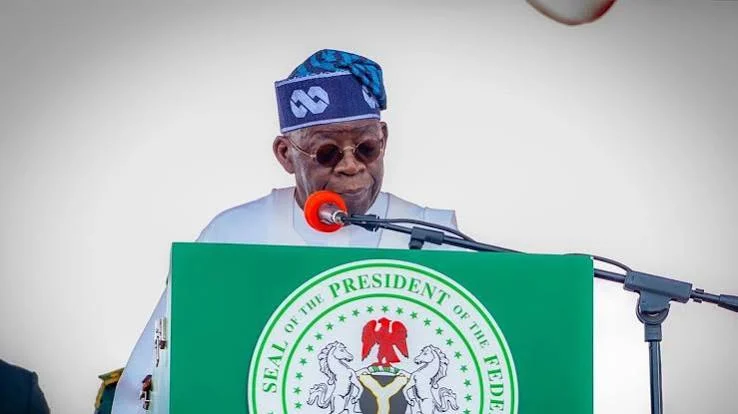
Adeyanju urged President Tinubu to seize this opportunity to show empathy and fulfill his promises to the workforce. “We appeal to him as a friend of workers who persistently promised to give workers a living wage to approve the N250,000. Nothing stops him from approving it, but we heard that he said he would only approve what the economy can afford.”
He argued that the economy can indeed support the demand and criticized state governors for prioritizing their lavish lifestyles over fair wages. “We plead that he should not listen to those greedy governors who want to pay slave wages while maintaining their outrageous and ostentatious lifestyles. The security votes they receive are enough to pay the minimum wage. What security are they providing with these funds?” he asked.
Adeyanju cited Edo State as an example, where the governor has already been paying N70,000, suggesting that other states could follow suit if they prioritized their workers’ welfare.
The call for a N250,000 minimum wage reflects the growing pressure on the government to address the economic challenges facing Nigerian workers and improve their living conditions.