LAGOS — The nation is set to experience widespread disruption as organized labor initiates an indefinite strike today, affecting key sectors including fuel distribution, healthcare, banking, and other essential services. This strike, led by the Nigeria Labour Congress (NLC) and the Trade Union Congress (TUC), is in response to the government’s failure to finalize a new national minimum wage and the recent increase in electricity tariffs.
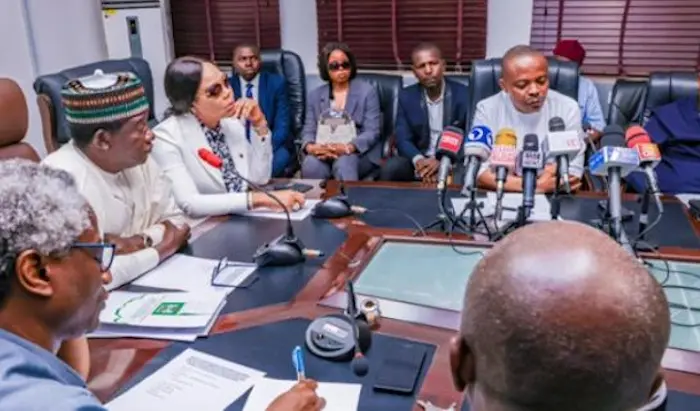
Despite a last-ditch effort by high-ranking government officials, including Senate President Godswill Akpabio and House of Representatives Speaker Tajudeen Abbas, to avert the strike through a marathon meeting with labor leaders last night, no agreement was reached. The Federal Government has labeled the strike premature and illegal, urging the labor unions to reconsider their action.
The Trade Union Congress (TUC) has directed its affiliates, such as the Petroleum and Natural Gas Senior Staff Association of Nigeria (PENGASSAN), the Association of Senior Staff of Banks, Insurance and Financial Institutions (ASSBIFI), and the Association of Senior Civil Servants of Nigeria (ASCSN), to ensure full participation. Correspondingly, NLC-affiliated unions, including the Nigeria Union of Petroleum and Natural Gas Workers (NUPENG), the National Union of Electricity Employees (NUEE), and others, have instructed their members to comply fully with the strike action.
The strike follows a breakdown in negotiations over a new minimum wage, which have been ongoing since the previous minimum wage of N30,000 expired on April 18, 2024. Labor leaders have repeatedly walked out of meetings, rejecting offers from the government and the organized private sector that they deem insufficient.
Ahead of the strike, Hassan Anka, Acting Secretary of TUC, reiterated the unions’ commitment to the action, criticizing the government’s lack of seriousness in addressing the workers’ demands. PENGASSAN has emphasized strict compliance, directing its members to enforce a total shutdown of offices.
The Nigeria Union of Teachers (NUT) has also joined the strike, instructing its members to ensure that no schools open from today. The Medical and Health Workers Union of Nigeria (M&HWUN) has called for a complete shutdown of all health facilities, emphasizing the critical nature of their demands.
However, the National Association of Proprietors of Private Schools (NAPPS) has opted out of the strike, advocating for dialogue and peaceful resolution to avoid disruption in the education sector. The Congress of University Academics (CONUA) remains undecided, with an emergency meeting planned to determine their course of action.
The Federal Government, through Attorney General of the Federation and Minister of Justice, Prince Lateef Fagbemi, SAN, has described the strike as ineffective and illegal, insisting that the negotiation process is still ongoing and should not be interrupted by industrial action. The government has urged the labor unions to return to the negotiating table, highlighting the need for a balanced and inclusive approach to determining a new minimum wage.
Meanwhile, legislative leaders have appealed to the unions to suspend the strike and continue negotiations, emphasizing the potential negative impact of the strike on the nation’s economy and stability. They have expressed commitment to resolving the issues through constructive dialogue.
As the strike begins, organized labor has called on workers to remain steadfast and ignore government claims of legal injunctions preventing the strike, asserting that they are fighting for a new minimum wage law. The situation remains fluid, with hopes that further negotiations might yield a resolution to avert prolonged disruption.