Fresh military exchanges between the United States and Iran have heightened tensions in the Middle East, raising fresh concerns over the stability of the Strait of Hormuz and sending global oil prices sharply higher.
The latest escalation came after the United States launched a fresh wave of strikes on Iranian military installations on Sunday evening, prompting retaliatory attacks by Iran’s Islamic Revolutionary Guard Corps (IRGC) against American military facilities in Kuwait, Jordan, and Bahrain.
According to the United States Central Command (CENTCOM), the operation began at about 5:00 p.m. Eastern Time and targeted multiple Iranian military assets, including air defence systems, coastal radar installations, missile sites, and drone facilities.
CENTCOM said the operation was aimed at safeguarding freedom of navigation through the Strait of Hormuz amid what it described as continued Iranian threats to commercial shipping.
“US forces are prepared to ensure that freedom of navigation remains available to commercial shipping despite Iran’s continued unwarranted aggression, harassment, threats, and arbitrary declarations,” the command said in a statement.
Shortly before the US announcement, Iranian state television reported explosions in Sirik, Qeshm, Bandar Abbas, and Jask. Iran’s official IRNA news agency later reported that one person was killed and four others injured in what authorities described as an American attack in Khuzestan Province.
Deputy Governor for Security and Law Enforcement, Valiollah Hayati, said the casualties occurred following what he called an attack by the “American enemy.”
The renewed hostilities come just weeks after both countries agreed to an interim arrangement intended to reduce military tensions and facilitate the reopening of the Strait of Hormuz.
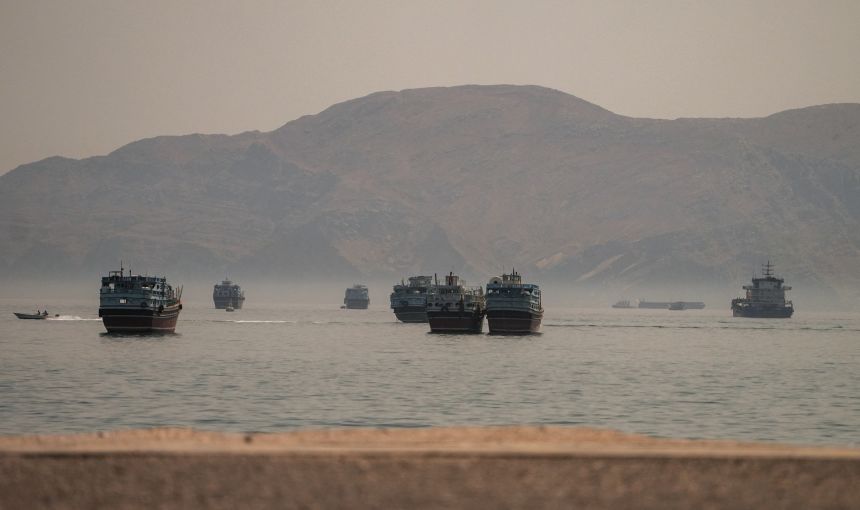
However, conflicting claims over the status of the strategic waterway have deepened uncertainty. While Iran maintains that the Strait has been closed until further notice, the United States insists the route remains open and that international commercial shipping continues to operate under its protection.
The Strait of Hormuz is one of the world’s most critical energy corridors, handling about 20 percent of global oil and liquefied natural gas shipments. Uncertainty over its status has rattled global energy markets.
Brent crude climbed 4.3 percent to $79.26 per barrel during Asian trading, while US West Texas Intermediate (WTI) also gained 4.3 percent to $74.50 per barrel as investors reacted to the worsening security situation.
The latest military confrontation follows previous US operations in which CENTCOM said American forces struck about 140 Iranian military targets across the country. Iran subsequently launched retaliatory attacks against US military installations and allied positions across the Middle East, widening the scope of the conflict.
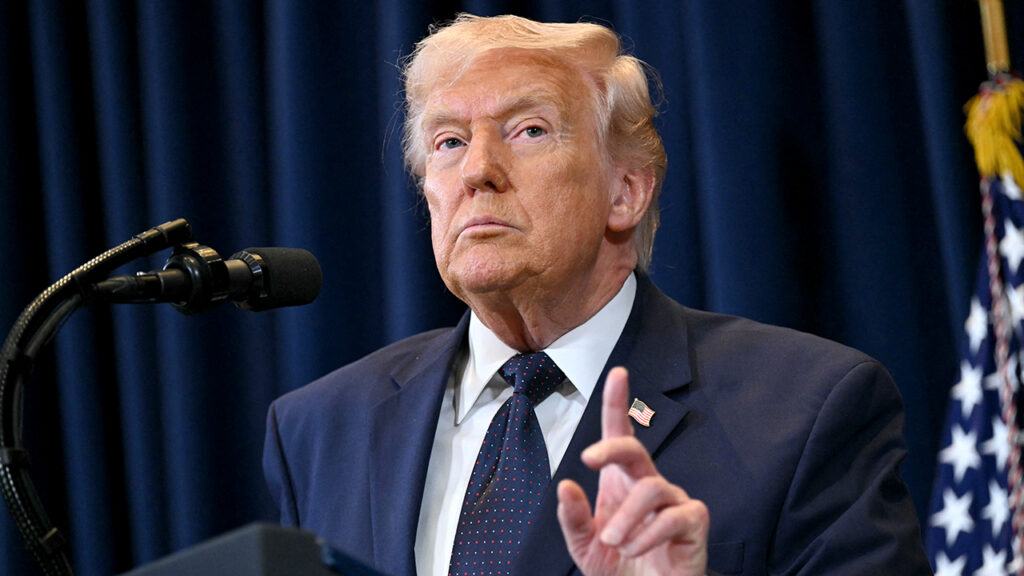
The renewed violence has further weakened confidence in the fragile ceasefire agreement reached in June. US President Donald Trump has accused Iran of effectively ending the truce through its recent actions, while Iranian Foreign Minister Abbas Araghchi has blamed Washington for violating the agreement.
Despite the escalating conflict, regional mediators are continuing diplomatic efforts to prevent a wider war, amid growing international concerns that prolonged instability could threaten global energy supplies and further destabilize the Middle East.