By Emeke Queserah Obehi
For years, Emilia struggled to understand what differentiated her from her sisters and friends. At just 16, she was silently battling a condition she barely understood because she feared being regarded as abnormal.
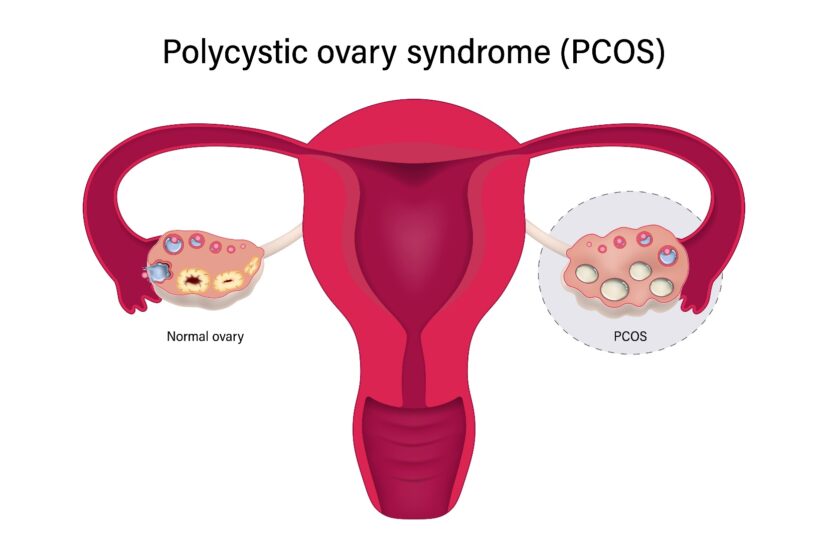
Polycystic ovary syndrome (PCOS) is a hormonal and metabolic disorder that affects how a woman’s ovaries function. It is common among women of reproductive age, although its exact cause remains unknown. To better understand the challenges associated with this condition, let us consider Emilia’s story.
Emilia experienced several uncomfortable symptoms while living with PCOS. At times, she noticed hair loss in certain areas of her scalp, while excessive hair growth left her with noticeable facial hair. Historically, women with beards were sometimes regarded as wicked beings. Although such beliefs may seem distant today, the stigma surrounding unwanted facial hair can still cause emotional distress.
Emilia became so distressed by her facial hair that she resorted to using sharp objects to remove it, physically harming herself in the process. While her friends experienced their monthly menstrual periods as expected, Emilia would pretend to be menstruating simply to feel included. She also appeared older and bigger than other girls her age, attracting comments that made her feel even more uncomfortable.
Confused and overwhelmed, Emilia eventually gathered the courage to confide in one of her much older sisters. She explained the symptoms she had been experiencing and the emotional burden she had carried in silence.
Her sister was educated and understood Emilia’s fear of letting others know about her struggles. Recognising the importance of proper medical knowledge and care, she took Emilia to see a doctor. Following the consultation, Emilia was prescribed medication, which she took as directed.
The doctor explained her condition and helped her understand what was happening to her body. He also reassured her that she was not alone and that many other women experience PCOS, with some facing even more severe symptoms.
What Challenges Do Women with PCOS Face?
Women living with PCOS may experience irregular menstrual periods or may go for months without menstruating. Ovulation may also occur irregularly or not at all, making it more difficult to predict fertile periods. However, symptoms vary from one woman to another, and not every woman with PCOS experiences the same challenges.
Other symptoms may include excessive facial or body hair, thinning hair on the scalp, acne and weight changes. These physical changes can affect self-esteem and emotional well-being, particularly among teenagers who may struggle to understand why their bodies appear different from those of their peers.
Furthermore, PCOS can be associated with fertility challenges. Some women with the condition find it difficult to conceive because of irregular or absent ovulation. Women with PCOS may also face an increased risk of developing insulin resistance and type 2 diabetes.
Despite these challenges, PCOS can be managed with appropriate medical care, lifestyle adjustments where beneficial, and treatment tailored to an individual’s symptoms and health needs. Early diagnosis and support can help women better understand their bodies and make informed decisions about their health.
Conclusion: She Is Still a Lady
Emilia’s story reminds us that a woman’s identity and worth should never be defined by a medical condition or physical appearance.
What she experiences does not diminish her womanhood. PCOS may be part of her life, but it does not define who Emilia is or who she can become.
Women living with PCOS deserve understanding, compassion and access to proper medical care rather than ridicule, shame or discrimination. Their experiences remind us of the importance of creating an environment where young girls can speak openly about their health concerns without fear of being judged.
She is still a lady. She is still worthy. And she deserves to be understood.