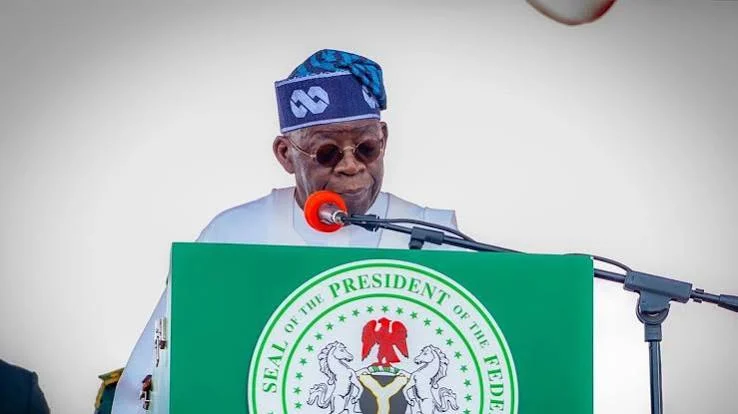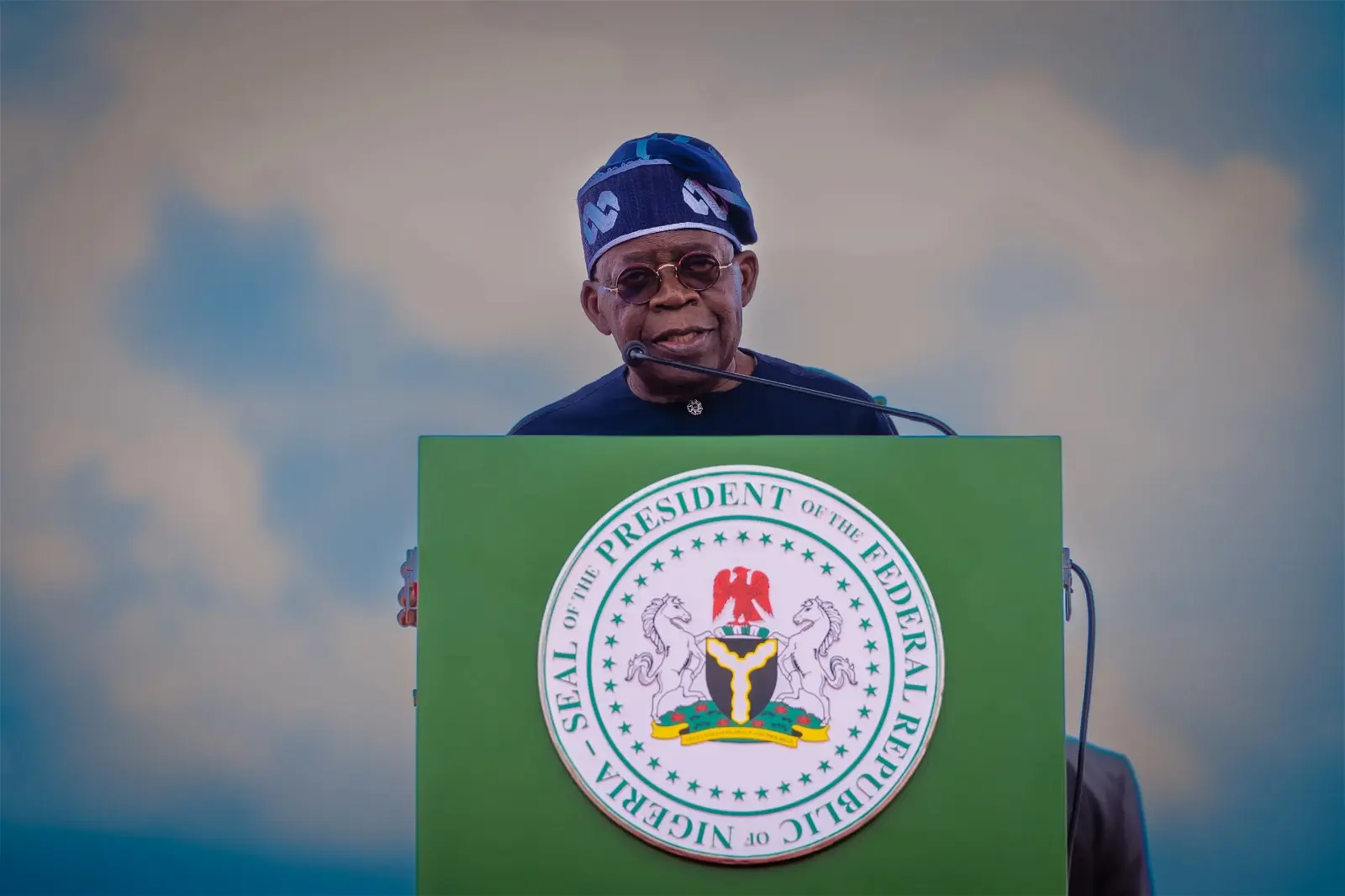
President Bola Tinubu expressed his disappointment over Nigeria’s low electricity generation, describing it as shameful that a country of Nigeria’s size is still producing only 4.5GW of electricity. He made these remarks during the inauguration of a 31-member Presidential Economic Coordination Council at the Council Chamber, Presidential Villa in Abuja.
President Tinubu emphasized the urgent need for innovative solutions to address Nigeria’s economic challenges, highlighting the importance of public-private partnerships in driving economic reforms. He stated, “We have the challenge of energy security in Nigeria. We need to work together to improve our oil and gas sector, and we must also increase electricity generation and distribution throughout the country. As a nation, it is so shameful that we are still generating 4.5GW of electricity.”
To address these issues, President Tinubu outlined several measures under the Economic Stabilization Programme aimed at enhancing energy security, economic stability, and job creation. These measures include:
- Increase Electricity Generation and Distribution:
- Increase on-grid electricity from 4.5GW to 6GW within six months.
- Enhance the competitiveness of the energy sector by removing barriers to investment.
- Boost Oil Production:
- Increase oil production to 2 million barrels per day within the next 12 months.
- Remove entry barriers to investments in the oil and gas sector.
- Agriculture and Food Security:
- Increase the production of staple crops by small-holder farmers from 127 million MT in 2023 to 135 million MT.
- Partner with larger-scale commercial farmers and support qualified farmers with advanced agricultural technologies.
- Health and Social Welfare:
- Make essential medicines available at lower costs for 80-90 million Nigerians.
- Expand healthcare insurance coverage for 1 million vulnerable people via a Vulnerable Group Fund in collaboration with state governments.
- Redeploy 20,000 healthcare workers to serve 10-12 million patients in high-need areas.
- Power up 4,800 primary healthcare centres, second-tier, and third-tier hospitals using renewable energy sources.
- Fiscal Measures to Support Housing, MSMEs, and Manufacturing:
- Support for youth-owned enterprises across all 36 states, creating 7,400 MSMEs within the next 6-12 months.
- A N650 billion facility to provide lower-cost short-term loans to youth-owned businesses, manufacturers, and MSMEs.
- A Manufacturing Stabilization Fund to support up to 250 companies with long-term facilities at lower interest rates.
- A Grow Nigeria Development Fund offering single-digit interest rate loans in partnership with the Bank of Industry and sub-national governments.
- Expansion of the Bank of Industry’s Rural Development Programme to support rural economies, developing 300 new MSMEs in each state, resulting in 11,100 new rural-based MSMEs.
- A Mortgage Finance Acceleration Facility to support the construction of 25,000 additional housing units.
President Tinubu emphasized that these fiscal measures will improve access to finance for MSMEs and create 4.7 million direct and indirect jobs over a six to 12-month period. He reiterated the government’s commitment to stabilizing the economy, enhancing job creation, and fostering economic security through comprehensive and collaborative efforts.