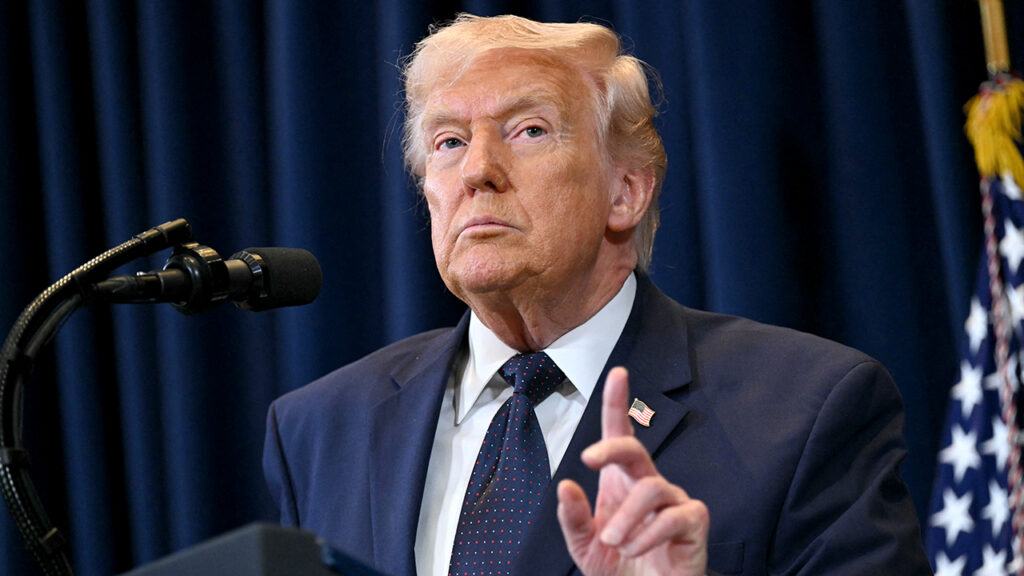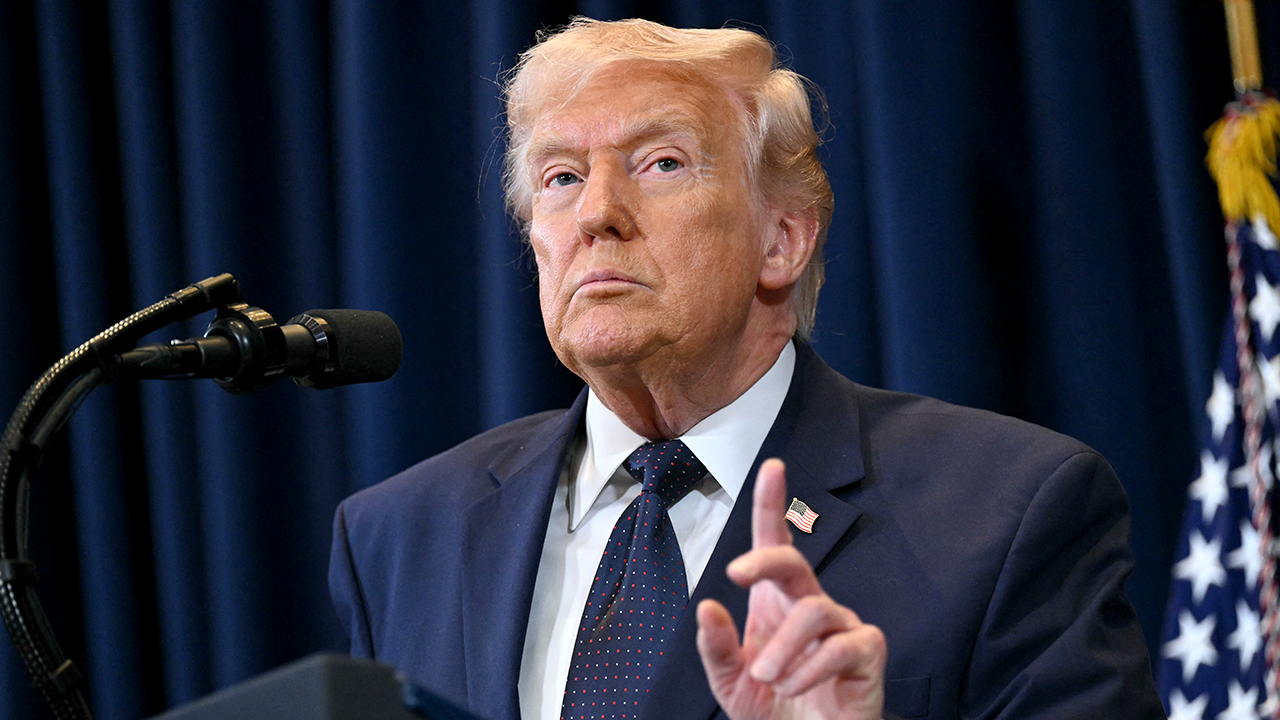
The administration of Donald Trump is considering new travel restrictions that could bar pregnant foreign women from entering the United States as part of efforts to curb what officials describe as “birth tourism,” following a recent Supreme Court ruling on birthright citizenship.
The proposal, which has not yet been formally adopted, is part of a broader push by the White House to tighten immigration policies after the court struck down President Trump’s executive order seeking to end automatic citizenship for certain children born on U.S. soil.
Senior White House adviser Stephen Miller said the administration would take “a hard look” at limiting entry for pregnant foreign nationals, arguing that some visitors travel to the United States late in pregnancy solely to secure American citizenship for their children.
According to Miller, the government must carefully evaluate who is granted temporary entry into the country because of concerns surrounding birth tourism.
He argued that women arriving in the final stages of pregnancy could give birth in the United States and automatically obtain American citizenship for their children, creating what he described as long-term access to U.S. benefits.
Although birth tourism exists, experts say it represents only a small percentage of births in the United States. While the federal government does not officially track the number of babies born to foreign visitors, estimates suggest that between 20,000 and 26,000 children are born annually to non-resident mothers.
The Trump administration has consistently maintained that birthright citizenship encourages illegal immigration by rewarding individuals who violate U.S. immigration laws while disadvantaging those who follow legal immigration procedures.
Following the Supreme Court’s decision, White House spokesperson Abigail Jackson said President Trump remains committed to preserving what she described as the value of natural-born American citizenship.
She disclosed that the president has directed Congress to take immediate legislative action on the issue, while the United States Department of Justice has been instructed to prioritise investigations into organised birth tourism schemes.
Jackson added that the administration has several legal and policy options available to protect American citizenship.
Meanwhile, Senator Markwayne Mullin also suggested that additional restrictions on pregnant visitors are under consideration.
Speaking during a television interview, Mullin said some foreign nationals allegedly obtain tourist visas shortly before giving birth in the United States, allowing their children to acquire U.S. citizenship before the families return overseas.
He further argued that the issue extends beyond immigration, claiming it could present national security concerns in situations where American-born citizens are raised abroad before later returning to the United States.
The renewed debate follows a landmark ruling by the Supreme Court of the United States, which invalidated President Trump’s executive order issued on his first day in office seeking to deny automatic citizenship to children born in the United States to parents who were either in the country illegally or temporarily.
In a 6-3 decision, the court ruled that the order violated the Citizenship Clause of the Fourteenth Amendment to the United States Constitution, reaffirming the constitutional guarantee that individuals born on U.S. soil are entitled to American citizenship.
The ruling marked the most significant judicial examination of the Fourteenth Amendment’s citizenship provisions in more than a century and represented a major legal setback for the administration’s immigration agenda.