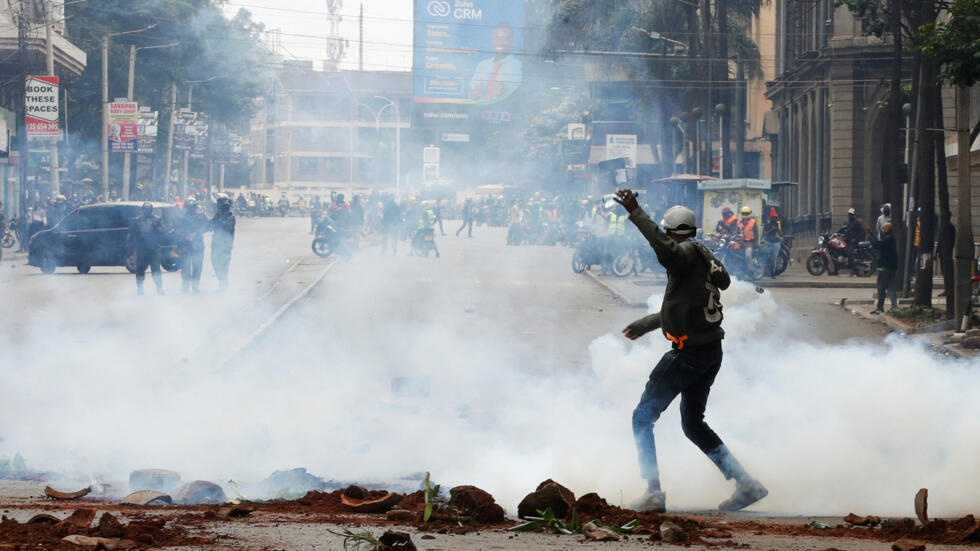
Nairobi, Kenya – At least 30 people have been killed in violent protests that erupted across Kenya this week in response to a controversial government plan to significantly raise taxes. The protests, which turned deadly, have drawn international attention and condemnation, particularly from Human Rights Watch (HRW).
According to a statement released by HRW on Saturday, Kenyan security forces fired directly into crowds of protesters on Tuesday, June 25, 2024. The organization reported that many of the victims were shot while fleeing the scene. HRW’s findings are based on witness testimonies, publicly available information, as well as hospital and mortuary records in Nairobi and other towns.
“Shooting directly into crowds without justification, including as protesters try to flee, is completely unacceptable under Kenyan and international law,” said Otsieno Namwaya, Associate Africa Director at Human Rights Watch. Namwaya called on Kenyan authorities to ensure that their forces protect peaceful protesters and end the impunity for police violence.
The protests, which were initially peaceful, turned violent after lawmakers passed the widely unpopular tax hikes under pressure from the International Monetary Fund (IMF). Following the vote, protesters stormed the parliament complex, leading to unprecedented clashes and a fire outbreak. The administration of President William Ruto eventually withdrew the tax bill in response to the unrest.
The Kenya National Commission on Human Rights, a state-funded body, reported 22 deaths and 300 injuries and announced plans to open an investigation. A rights activist in Nairobi told HRW, “Eight military officers came out and just opened fire on people. They killed several people, including those who were not part of the protests.”
HRW has urged Kenya’s international partners to monitor the situation closely and to pressure the Kenyan authorities to conduct credible and transparent investigations into the abuses by security forces.
President Ruto’s government, facing a substantial budget shortfall, had argued that the tax increases were necessary to service Kenya’s enormous debt, which stands at approximately 10 trillion shillings ($78 billion), equating to around 70 percent of the country’s GDP. The IMF had pushed for fiscal reforms to secure essential funding from the international lender.
The proposed tax bill was expected to generate an additional $2.3 billion in the next fiscal year to meet IMF requirements for increased revenue. However, the public outrage and violent response to the tax measures have underscored the need for a fair and responsible approach to economic recovery.
“Widespread outrage should be a wake-up call to the Kenyan government and the IMF that they cannot sacrifice rights in the name of economic recovery,” Namwaya emphasized. “Economic sustainability can only be achieved by building a new social contract that raises revenues fairly, manages them responsibly, and funds services and programs that protect everyone’s rights.”
The events in Kenya highlight the delicate balance between economic reforms and the protection of human rights, and the urgent need for responsible governance that prioritizes the welfare of its citizens.